Technological Advancements: Unlocking Opportunities for Media Professionals

In today’s rapidly evolving digital landscape, media professionals face a constant stream of technological advancements that shape the way we create, distribute, and consume content. Rather than fearing these disruptions, embracing them presents a unique opportunity for growth and success. This article explores the importance of staying updated on changing technologies and outlines strategies for media professionals to adapt and thrive in this dynamic environment.

  1. Recognize the Power of Technological Advancements:
    Technological advancements have revolutionized the media industry, offering new avenues for creativity, collaboration, and audience engagement. From AI-driven content generation to immersive virtual reality experiences, these advancements provide fresh opportunities for media professionals to explore and leverage. By recognizing the potential of these technologies, professionals can position themselves at the forefront of innovation and stay ahead of the competition.
  2. Continual Learning and Upgrading Skills:
    To embrace technological advancements effectively, media professionals must actively seek out training, workshops, and resources to expand their technical skills. This includes staying updated on emerging platforms, tools, and methodologies relevant to their field. By investing in continual learning, professionals can adapt to changing trends, acquire new competencies, and enhance their value in the industry. Platforms like online courses, webinars, and industry conferences can be valuable resources to acquire new knowledge.
  3. Embrace Cross-Disciplinary Collaboration:
    Technological advancements often necessitate collaboration across different disciplines. Media professionals should actively seek partnerships with experts in related fields such as data analytics, user experience design, and software development. By collaborating with diverse teams, media professionals can harness the power of different perspectives, leverage complementary skills, and create innovative solutions that go beyond traditional boundaries.
  4. Foster an Agile Mindset:
    In a fast-paced technological landscape, media professionals must develop an agile mindset that embraces change and uncertainty. This involves being open to experimentation, adapting quickly to emerging technologies, and learning from failures. By cultivating an agile mindset, professionals can navigate ambiguity with confidence and proactively respond to emerging opportunities in the industry.
  5. Leverage Data and Analytics:
    Technological advancements have enabled the collection and analysis of vast amounts of data. Media professionals can leverage data and analytics to gain valuable insights into audience behavior, preferences, and trends. By harnessing this information, professionals can create targeted, personalized content that resonates with their audience. Additionally, data-driven decision-making can optimize resource allocation, improve campaign performance, and drive overall success.

Embracing technological advancements is not merely a choice but a necessity for media professionals. By staying updated, continually learning, embracing collaboration, fostering an agile mindset, and leveraging data and analytics, professionals can unlock new opportunities for growth and success. Rather than fearing disruptions, embracing emerging technologies empowers media professionals to navigate the evolving landscape with confidence and innovation. Embrace the power of technology and position yourself at the forefront of the media industry’s future.

Seeking Guidance After Making a Bad Impression: A Path to Redemption

Making a bad impression during the hiring process can leave you feeling discouraged and uncertain about your chances of securing a job. However, it is important to remember that people can learn and grow from their mistakes. One proactive way to address the situation is by seeking guidance from the hiring manager or HR person involved. In this article, we will explore steps you can take to ask for guidance, gain valuable insights, and potentially redeem yourself.

  1. Reflect and Acknowledge:
    Before reaching out to the hiring manager or HR person, take the time to reflect on the situation that led to the bad impression. Understand and acknowledge your shortcomings, whether it was a miscommunication, lack of preparation, or other factors. This self-awareness will be crucial in your approach.
  2. Assess the Relevance:
    Consider the gravity of the situation and the potential impact it may have had on your candidacy. If the bad impression was minor or easily rectifiable, it may not require a formal request for guidance. In such cases, a thoughtful follow-up email expressing your regret and clarifying any misunderstandings could be sufficient.
  3. Choose the Right Time and Medium:
    Select an appropriate time to reach out to the hiring manager or HR person. If you were rejected directly after the interview, it might be best to wait a few days to allow emotions to settle. Email is generally a suitable medium for initiating this conversation, as it allows both parties to respond at their convenience and provides a written record.
  4. Craft Your Message:
    Compose a well-structured and concise email that conveys your sincere desire for guidance and improvement. Start by expressing gratitude for the opportunity to interview, and briefly acknowledge the misstep or bad impression. Take responsibility for your actions and emphasize your commitment to personal growth and professional development. Avoid making excuses or shifting blame.
  5. Request Guidance:
    Clearly state your intention to seek guidance and ask if they would be willing to provide constructive feedback on your performance. Be open to receiving constructive criticism, as it can help you better understand the areas where you need to improve. Additionally, ask for any recommendations or resources that could aid in your development.
  6. Demonstrate Growth:
    While seeking guidance, demonstrate your willingness to learn and grow from the experience. Share specific steps you have taken or plan to take to address the issue. This could include enrolling in relevant courses, seeking mentorship, or practicing interview techniques. By showcasing your commitment to self-improvement, you can instill confidence in the hiring manager or HR person.
  7. Respect Their Decision:
    After sending the email, be patient and allow the recipient time to respond. Understand that they may not be able to provide feedback or guidance due to various reasons, such as company policies or time constraints. Respect their decision, even if it doesn’t align with your expectations.

Asking for guidance from a hiring manager or HR person after making a bad impression demonstrates maturity, accountability, and a commitment to growth. While there is no guarantee of a positive response, taking this proactive step can provide valuable insights and potentially open doors for future opportunities. Remember, everyone makes mistakes, but it is how we learn from them that defines our character and resilience.

Going Further….

Should You Contact the Hiring Manager or HR Person? Exploring Alternatives…

While reaching out to the hiring manager or HR person to seek guidance after making a bad impression can be a proactive step, there may be situations where it is not appropriate or feasible. Here, we will discuss alternative options to consider if contacting them directly is not the best course of action.

1. Evaluate the Severity of the Situation:

Consider the severity of the bad impression and its potential impact on your candidacy. If the impression was minor or easily rectifiable, such as a small miscommunication or a brief lapse in judgment, it may not warrant reaching out to the hiring manager or HR person. In these cases, a thoughtful follow-up email expressing regret and clarifying any misunderstandings might be sufficient.

2. Seek Feedback from Interviewers:

If you had multiple interviewers during the hiring process, it might be worth considering reaching out to one of them to request feedback. Choose an interviewer with whom you had a positive rapport or who seemed more approachable. Politely explain your situation, express your genuine desire to improve, and ask if they would be willing to provide any insights or suggestions. Their perspective can still offer valuable feedback.

3. Connect with a Mentor or Career Advisor:

If you have a mentor or career advisor, they can be excellent resources for guidance and support. Share your experience with them and seek their advice on how to address the situation. They can provide objective insights, help you identify areas for improvement, and guide you in formulating a plan to overcome the bad impression.

4. Engage in Self-Assessment:

In the absence of direct feedback, engage in a thorough self-assessment of your performance during the hiring process. Review your application materials, interview responses, and overall approach. Consider seeking the opinion of trusted friends or professionals in your field who can provide constructive criticism and suggestions for improvement.

5. Focus on Personal Development:

Even without direct feedback, take the opportunity to focus on personal development and growth. Engage in self-improvement activities such as attending workshops, joining professional organizations, or pursuing relevant certifications. By investing in your skills and knowledge, you can demonstrate your commitment to growth and increase your chances of future success.

6. Reapply in the Future:

If the bad impression was significant and you have been explicitly informed of your rejection or placement on a “do not hire” list, it might be best to respect the decision and consider reapplying in the future. Use the experience as a learning opportunity to enhance your skills, gain more experience, and refine your approach. When you reapply, ensure that you have addressed the issues that led to the initial negative impression.

Remember, every situation is unique, and the appropriateness of contacting the hiring manager or HR person will depend on various factors. Consider the severity of the situation, alternatives available to you, and the potential impact on your future prospects before deciding on the best course of action.

Turning Criticism Around: Unlock Your Potential for Impactful Work in Media (and other industries as well)

In the fast-paced and competitive world of media, our work is often subject to criticism and feedback. While it may initially feel disheartening, it’s important to recognize that constructive criticism is an invaluable tool for personal and professional improvement. By embracing feedback, media professionals can learn from their mistakes, refine their skills, and ultimately become better at what they do. This article explores how criticism and feedback can be transformative, turning negative experiences into opportunities for growth and leveling up to deliver even more impactful work.

  1. The Power of Constructive Criticism:
    Negative: In media, our work is often subject to criticism and feedback, which can be disheartening.
    Positive: Constructive criticism is an invaluable tool for improvement.

Criticism, when offered constructively, provides valuable insights and perspectives that we may have overlooked. It helps us identify areas for improvement, refine our work, and take it to new heights. Rather than viewing criticism as a personal attack, recognize it as an opportunity for growth. Embrace the power of constructive criticism as it can fuel your professional development and lead to greater success in the media industry.

  1. Learning from Mistakes:
    Negative: Criticism can be disheartening.
    Positive: By embracing feedback, we can learn from our mistakes.

Every critique, however challenging it may be to hear, is an opportunity to learn and grow. Instead of dwelling on the negative emotions that criticism may evoke, focus on the lessons it offers. Analyze the feedback objectively, identify the areas of improvement, and reflect on how you can enhance your skills and approach. Embracing feedback allows you to learn from your mistakes, adapt your strategies, and ultimately deliver better work in the future.

  1. Refining Skills and Delivering Impactful Work:
    Negative: Criticism can be disheartening.
    Positive: Every critique is an opportunity to level up and deliver even more impactful work.

Feedback acts as a catalyst for improvement, pushing us to refine our skills and deliver more impactful work. By actively seeking feedback and implementing suggestions, we can elevate our performance and exceed expectations. Embrace the challenge of criticism with a growth mindset, focusing on the potential to level up and achieve greatness. Transform each critique into an opportunity to enhance your abilities, deliver exceptional work, and stand out in the competitive media industry.

  1. Building Resilience and Professional Growth:
    Negative: Criticism can be disheartening.
    Positive: Embracing feedback leads to personal and professional growth.

Embracing criticism and feedback fosters personal and professional growth. It builds resilience, allowing us to handle setbacks and challenges with grace and determination. As we grow more accustomed to receiving feedback, we become more open to different perspectives, more adaptable, and more willing to take risks in our work. Criticism becomes less disheartening and more constructive, propelling us forward on our journey of continuous improvement.

Criticism and feedback are integral parts of the media industry, shaping our growth and propelling us towards success. By embracing criticism as a tool for improvement, we can learn from our mistakes, refine our skills, and deliver even more impactful work. Each critique is an opportunity to level up, strengthen our resilience, and achieve personal and professional growth. Embrace feedback with an open mind, focus on the positive potential it holds, and watch as you evolve into a more skilled and accomplished media professional.

Thriving Amidst Media Ambiguity: Leveraging Changing Technology for Personal and Professional Growth

In the ever-evolving world of media, where technology constantly reshapes the landscape, professionals face ambiguity on a regular basis. However, by embracing the uncertainty and leveraging changing technology, individuals can experience personal and professional growth, develop emotional intelligence, gain confidence, and emerge stronger and more capable. This article explores strategies for navigating ambiguity in the media industry and capitalizing on technological advancements to thrive in this dynamic environment.

  1. Embrace Technological Advancements:
    As media professionals, it is crucial to embrace and stay updated on changing technologies. Rather than fearing technological disruptions, view them as opportunities for growth. Actively seek out training, workshops, and resources to expand your technical skills and adapt to new platforms, tools, and methodologies. Embracing technological advancements empowers you to navigate ambiguity with confidence and take advantage of emerging opportunities.
  2. Foster Digital Literacy and Emotional Intelligence:
    In the face of changing technology, developing digital literacy and emotional intelligence is key. Digital literacy involves understanding and effectively utilizing digital tools, platforms, and data. Enhance your digital literacy by staying informed about emerging trends, engaging in continuous learning, and leveraging data-driven insights. Simultaneously, cultivate emotional intelligence by honing skills such as self-awareness, adaptability, and effective communication. Combining digital literacy with emotional intelligence enables you to navigate ambiguity in the media industry with agility and professionalism.
  3. Adopt an Agile Mindset:
    In a rapidly changing media landscape, adopting an agile mindset is essential. Embrace flexibility, adaptability, and a willingness to learn and iterate. Embrace a growth mindset that views challenges as opportunities for improvement. By adopting an agile mindset, you can quickly respond to technological changes, experiment with new approaches, and identify innovative solutions. This mindset empowers you to navigate ambiguity effectively, seize emerging opportunities, and drive personal and professional growth.
  4. Seek Continuous Learning and Industry Connections:
    To thrive amidst media ambiguity, prioritize continuous learning and building industry connections. Engage in professional development opportunities, attend conferences, and participate in industry forums to stay abreast of the latest trends and best practices. Actively seek out mentors, industry experts, and colleagues who can provide guidance, share insights, and support your growth. Establishing meaningful connections within the media industry allows you to learn from others’ experiences, exchange ideas, and gain confidence while navigating ambiguity.
  5. Embrace Collaboration and Innovation:
    Amidst changing technology, collaboration and innovation become paramount. Foster a culture of collaboration within your media organization and across disciplines. Collaborate with colleagues, experts, and stakeholders to leverage diverse perspectives and generate creative solutions. Embrace experimentation and encourage a willingness to take calculated risks. By embracing collaboration and innovation, you can leverage changing technology to drive personal and professional growth, push boundaries, and thrive in the face of ambiguity.

Where technology constantly evolves, professionals must navigate ambiguity with confidence and resilience. By embracing technological advancements, fostering digital literacy and emotional intelligence, adopting an agile mindset, seeking continuous learning, and embracing collaboration and innovation, individuals can thrive amidst media ambiguity. Embrace the opportunities presented by changing technology, leverage them to drive personal and professional growth, and emerge stronger, more adaptable, and better equipped to succeed in the dynamic world of media.

Leveling Up in the Media Industry: Turning Challenges into Opportunities

Working in the media industry can be demanding and challenging, but instead of dwelling on the negatives, let’s explore how these challenges can actually help us level up and grow both personally and professionally. By reframing our perspective, we can transform the drawbacks of working in media into valuable opportunities for development and success.

  1. Fast-paced environment:
    Negative: The media industry is notorious for its fast-paced and high-pressure nature, with tight deadlines and constant changes.
    Positive: Embracing the fast-paced environment allows us to sharpen our multitasking, adaptability, and problem-solving skills. It teaches us how to thrive under pressure, enabling personal and professional growth.
  2. Criticism and feedback:
    Negative: In media, our work is often subject to criticism and feedback, which can be disheartening.
    Positive: Constructive criticism is an invaluable tool for improvement. By embracing feedback, we can learn from our mistakes, refine our skills, and become better at what we do. Every critique is an opportunity to level up and deliver even more impactful work.
  3. Uncertainty and innovation:
    Negative: The media landscape is constantly evolving, with new technologies and platforms emerging, leading to uncertainty and the need for continuous adaptation.
    Positive: Embracing uncertainty fosters innovation. The ever-changing nature of the media industry pushes us to think creatively, explore new ideas, and stay ahead of trends. By embracing innovation, we can position ourselves as leaders in our field and open doors to exciting opportunities.
  4. Work-life balance:
    Negative: The demanding nature of media work can make it challenging to maintain a healthy work-life balance.
    Positive: While finding balance is crucial, the media industry offers unique opportunities for growth and fulfillment. By setting boundaries, prioritizing self-care, and finding harmony between work and personal life, we can create a fulfilling and rewarding career that enhances our overall well-being.
  5. Networking and collaboration:
    Negative: Building a network and collaborating with others can be time-consuming and challenging.
    Positive: Networking and collaboration are essential for success in the media industry. By connecting with like-minded professionals, we gain access to new perspectives, opportunities, and support. Collaborative efforts foster innovation and allow us to level up by leveraging the collective skills and knowledge of our peers.

Working in the media industry undoubtedly presents challenges, but by adopting a positive mindset and reframing these obstacles as opportunities for growth, we can level up our skills, expand our networks, and embrace the ever-evolving nature of the industry. With each challenge, we have the chance to become more resilient, adaptable, and successful in our media careers. Let’s embrace the journey and unlock our full potential in this exciting and dynamic field.

Mogrts What About Mogrts ?? What the #%€! Are They?

Exploring Mogrts: A Comprehensive Guide to Creation, Usage, and Naming Conventions

Mogrts, short for Motion Graphics Templates, have revolutionized the way multimedia content is created and utilized. These pre-designed, customizable templates streamline the process of creating visually stunning motion graphics, making them popular across various industries. In this article, we’ll delve into what Mogrts are, their applications, naming conventions, how to create them, and the process from start to finish.

What are Mogrts?
Mogrts are pre-designed motion graphics templates created using software like Adobe After Effects or Premiere Pro. They contain animated elements, such as text, shapes, transitions, and effects, that users can customize to fit their specific needs. Mogrts offer a time-efficient solution for creating professional-looking graphics without extensive design skills.

Usage and Applications:
Mogrts find applications in a wide range of scenarios, including:

  1. Video Productions: Mogrts enable video editors to easily add visually appealing graphics, lower-thirds, titles, and transitions to their videos.
  2. Social Media Content: Mogrts can be used to create eye-catching animations for social media platforms, enhancing brand presence and engagement.
  3. Presentations: Mogrts help create dynamic slide transitions and animated elements for presentations, making them more engaging and memorable.
  4. Broadcast Design: Mogrts are extensively used in TV broadcasts to incorporate dynamic graphics, lower-thirds, and overlays seamlessly.

Naming Conventions:
To maintain organization and facilitate easy retrieval, adhering to consistent naming conventions for Mogrts is crucial. Consider including relevant information in the file name, such as the template’s purpose, style, version, and resolution.

Creating Mogrts:
To create Mogrts, follow these steps:

  1. Design in Motion Graphics Software: Use motion graphics software like Adobe After Effects or Premiere Pro to design your animated elements. Ensure the composition is set up correctly, with all necessary layers organized and labeled.
  2. Essential Parameters: Identify the customizable parameters within your design that users may want to modify, such as text, colors, or timing. Make these parameters easily accessible for customization.
  3. Export as Mogrt: Export your composition as a Mogrt file, specifying the compatible software versions and any required plug-ins. Include a preview thumbnail and a brief description to provide users with an overview of the template.

The Process from Start to Finish:

  1. Conceptualize and Design: Brainstorm ideas and design your motion graphics template in motion graphics software.
  2. Customization Options: Identify and define the parameters that users can modify within the template to suit their specific needs.
  3. Export as Mogrt: Export the template as a Mogrt file, ensuring compatibility and including a preview thumbnail and description.
  4. Distribution and Usage: Share the Mogrt file with intended users through various platforms, such as online marketplaces, cloud storage, or direct distribution.
  5. Customization by Users: Users import the Mogrt file into their chosen editing software and customize the parameters to match their content.
  6. Integration into Projects: Users incorporate the customized Mogrt into their projects, leveraging its animated elements seamlessly.
  7. Iteration and Updates: Continuously refine and update your Mogrts based on user feedback, emerging trends, or new software capabilities.

Mogrts offer a convenient, time-saving solution for incorporating visually stunning motion graphics into various multimedia projects. By adhering to consistent naming conventions, creating customizable templates, and following a structured process, you can create and utilize Mogrts effectively, enhancing your creative workflows and producing captivating visual content.

AI Revolutionizing Database Organization: Streamlining Efficiency and Enhancing Accessibility

In today’s data-driven world, the efficient organization and management of databases are crucial for businesses to stay competitive. With the advent of artificial intelligence (AI), database organization has undergone a transformative evolution. This article explores how AI is revolutionizing the way databases are structured, optimized, and accessed, resulting in streamlined efficiency and enhanced accessibility for businesses of all sizes.

  1. Intelligent Data Categorization:
    AI algorithms have the ability to analyze vast amounts of unstructured data and automatically categorize it into relevant groups. By leveraging machine learning techniques, AI can identify patterns, keywords, and relationships within the data, facilitating accurate and efficient categorization. This intelligent data categorization ensures that information is organized in a manner that is easily searchable and accessible, making it simpler for businesses to retrieve specific data points quickly.
  2. Automated Data Entry and Validation:
    AI-powered tools offer automated data entry and validation, eliminating the need for manual data entry, which is often prone to errors and can be time-consuming. Using optical character recognition (OCR) technology, AI systems can extract data from various sources, such as paper documents or digital files, and populate the database automatically. Furthermore, AI algorithms can cross-reference and validate the accuracy of the entered data, ensuring a high level of data integrity and reducing the risk of human error.
  3. Predictive Analytics and Data Optimization:
    AI’s predictive analytics capabilities are instrumental in optimizing database performance. By analyzing historical data patterns, AI algorithms can predict future trends, identify potential issues, and optimize database operations accordingly. This enables businesses to proactively address challenges, allocate resources efficiently, and enhance overall system performance. AI-powered data optimization ensures that the database operates at its full potential, resulting in faster data retrieval, improved decision-making, and increased operational efficiency.
  4. Natural Language Processing for Advanced Search:
    AI’s natural language processing (NLP) capabilities have revolutionized the way databases are searched. With NLP, users can interact with the database using everyday language, making it more accessible to individuals without technical expertise. AI-powered search engines can understand user queries, interpret their intent, and retrieve the most relevant information, even from unstructured data sources. This advanced search functionality simplifies the process of retrieving specific data points, empowering businesses to make informed decisions based on comprehensive and readily accessible information.
  5. Enhanced Security and Data Privacy:
    AI plays a significant role in improving database security and protecting sensitive information. AI algorithms can detect anomalies and patterns indicative of potential security breaches, enabling proactive measures to mitigate risks. Additionally, AI-powered systems can encrypt and anonymize data, ensuring compliance with data privacy regulations and safeguarding sensitive information from unauthorized access. The integration of AI in database organization strengthens security measures and enhances data privacy, instilling confidence in businesses and their customers.

The integration of AI in database organization has revolutionized how businesses manage, access, and leverage their data. From intelligent categorization to automated data entry, predictive analytics, advanced search capabilities, and enhanced security measures, AI offers a range of benefits that streamline efficiency and enhance accessibility. As AI technology continues to evolve, businesses of all sizes can expect further advancements in database organization, enabling them to unlock the true value of their data and gain a competitive edge in the data-driven era.

Streamlining Workflow: How AI Enhancements Empower Editors in Adobe and Avid

In the fast-paced world of digital editing, efficiency is key. The integration of artificial intelligence (AI) has revolutionized the editing landscape, offering intelligent recommendations and automated features that streamline workflows. This article highlights how AI-based technologies, such as Adobe Sensei and Avid’s AI-driven features, empower editors to work more efficiently, make faster editing decisions, and meet tight deadlines with ease.

Automated Scene Detection with Adobe Sensei:
Adobe Sensei, the AI framework behind Adobe’s creative suite, brings forth a range of time-saving features designed to streamline the editing process. One such feature is automated scene detection. By analyzing cuts and transitions in footage, AI algorithms can identify and separate individual scenes automatically. This eliminates the need for manual scene identification, enabling editors to make faster editing decisions and focus on the creative aspects of their projects. With automated scene detection, editors can efficiently navigate through footage and accelerate the editing workflow.

AI-Driven Dialogue Detection in Avid:
Avid, a leading editing software, incorporates AI-driven features that enhance efficiency and simplify content location. Media Composer’s PhraseFind is a prime example of this. Powered by AI, it automatically detects dialogue within clips. This capability eliminates the need for manual transcription or time-consuming manual searching for specific dialogue. Editors can swiftly locate and extract the desired content, saving valuable time and effort. With AI-driven dialogue detection, Avid empowers editors to efficiently manage and access specific content, ensuring a seamless editing workflow.

Efficiency Boosts and Meeting Tight Deadlines:
The integration of AI into editing workflows brings significant efficiency boosts, helping editors meet tight deadlines without compromising on quality. AI-based technologies offer intelligent recommendations that can speed up the decision-making process. For instance, Adobe Sensei’s automated content analysis can suggest suitable edits, cuts, or effects based on the footage’s content. This assists editors in quickly making informed choices, reducing the time spent on manual evaluation and trial-and-error approaches.

Additionally, AI-driven features ensure efficient content organization, making it easier to locate and retrieve specific assets. Avid’s AI algorithms analyze and tag content, allowing editors to find relevant assets swiftly through MediaCentral | Editorial Management. By eliminating the laborious task of manually searching through vast media libraries, AI enhancements enable editors to work more productively and effectively.

The integration of AI-based technologies in editing software like Adobe Premiere and Avid has revolutionized the editing workflow. Through automated scene detection, Adobe Sensei empowers editors to make faster editing decisions by automatically identifying cuts and transitions in footage. Avid’s AI-driven features, such as PhraseFind, simplify content location by automatically detecting dialogue within clips. These AI enhancements not only streamline the editing process but also enable editors to work more efficiently and meet tight deadlines. By harnessing the power of AI, editors can maximize their productivity, focus on creativity, and deliver high-quality content in a timely manner.

The Why: Tik-Tok Goes the Clock: The Importance of TikTok’s Emergence

In the vast landscape of social media platforms, TikTok has emerged as a powerful force, captivating millions of users worldwide. With its short-form videos and creative content, TikTok has revolutionized the way we consume and create entertainment. In this article, we will explore the importance of TikTok’s emergence, highlighting its impact on culture, creativity, community building, and its ability to provide a platform for expression and discovery.

1. Cultural Influence and Trends:
TikTok has become a cultural phenomenon, shaping trends and influencing popular culture. From viral dances and challenges to meme-worthy moments, the platform has the ability to catapult individuals, ideas, and songs into the mainstream. It has become a breeding ground for creativity, fostering a collective experience that transcends borders and connects people from diverse backgrounds.

2. Amplifying Creativity and Expression:
TikTok empowers users to express themselves in unique and creative ways. Its easy-to-use features, filters, and effects allow anyone, regardless of their background or expertise, to become a content creator. From comedy sketches and lip-syncing performances to DIY hacks and educational videos, TikTok has given rise to a new generation of creators who can showcase their skills, talents, and passions to a global audience.

3. Fostering Community and Connection:
TikTok has created a sense of community and belonging among its users. Through hashtags, challenges, and collaborations, individuals can find like-minded creators and engage in shared interests. The platform has also become a source of support and inspiration, with users using it to raise awareness about important social issues, mental health, and activism. It has provided a space for marginalized voices to be heard and for communities to come together.

4. Discovering New Talent and Opportunities:
TikTok has become a launchpad for discovering new talent and opportunities. The platform has propelled unknown individuals into the spotlight, giving rise to viral sensations, influencers, and even career opportunities. From musicians and comedians to artists and entrepreneurs, TikTok has become a platform where talent can be recognized, appreciated, and cultivated.

5. Embracing Bite-sized Entertainment:
In a fast-paced world where attention spans are shrinking, TikTok offers bite-sized entertainment that resonates with users. Its short-form videos provide quick bursts of amusement, making it ideal for those seeking a quick escape or a moment of laughter. TikTok’s unique format has challenged traditional content consumption patterns and has paved the way for new forms of storytelling.

TikTok’s emergence has brought a refreshing wave of creativity, community engagement, and cultural influence to the world of social media. Its ability to amplify creativity, foster connection, and provide a platform for expression and discovery has made it an important player in the digital landscape. As TikTok continues to evolve and shape the way we engage with content, it is clear that its influence will continue to grow, inspiring a new generation of creators and redefining the boundaries of digital entertainment.

Automating Tedious Tasks in Digital Editing: Unleashing Creativity with AI

Digital editing is a complex process that often involves repetitive and time-consuming tasks, which can impede the creative flow of editors. However, the integration of artificial intelligence (AI) technology has revolutionized the editing landscape, automating tedious tasks and allowing editors to focus more on their creative vision. This article explores how AI-powered tools, such as Adobe Premiere’s Auto Reframe and Avid’s PhraseFind and ScriptSync, streamline the editing process, saving time and effort while enhancing productivity and creativity.

Automated Resizing and Repositioning with Adobe Premiere’s Auto Reframe:
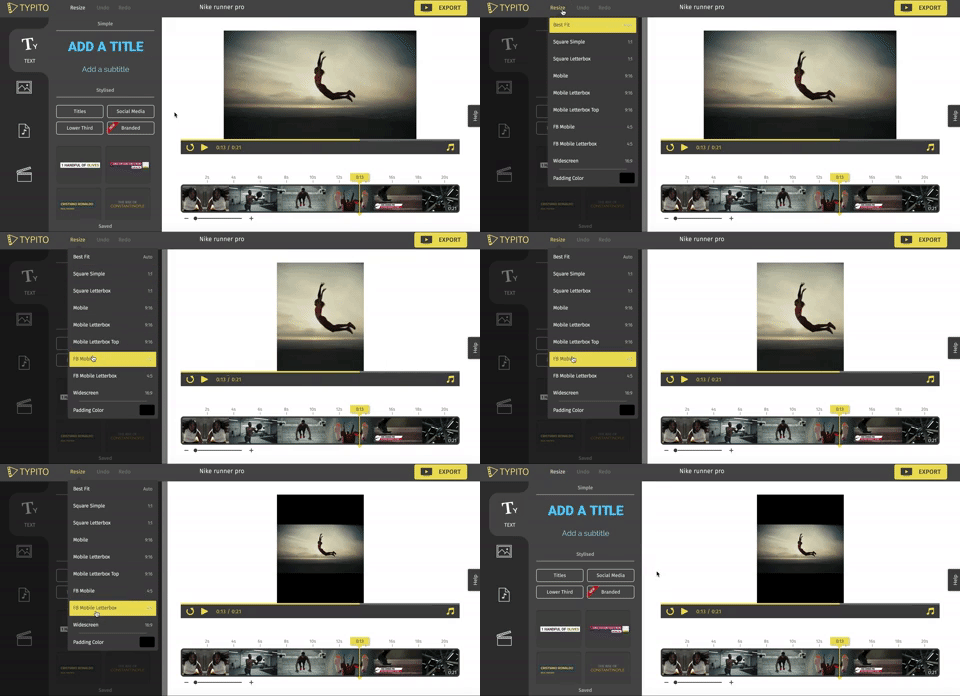
One of the most time-consuming tasks in digital editing is resizing and repositioning footage to fit various aspect ratios. Adobe Premiere’s AI-powered plugin, Auto Reframe, simplifies this process by automatically analyzing the content and intelligently reframing the footage. By leveraging AI algorithms, Auto Reframe can identify key elements within the frame and dynamically resize and reposition it to maintain visual focus. This automation saves hours of manual adjustment, allowing editors to allocate more time to creative decision-making and storytelling.

Streamlining Dialogue Search and Transcript Syncing with Avid’s AI-Based Tools:
Locating specific dialogue or syncing transcripts is another labor-intensive task in editing. Avid’s AI-based tools, such as PhraseFind and ScriptSync, provide efficient solutions to streamline these processes. PhraseFind utilizes AI algorithms to automatically detect dialogue within clips, eliminating the need for manual transcription or time-consuming manual searching. Editors can quickly search for specific dialogue or keywords, significantly reducing the time spent on content retrieval. Additionally, Avid’s ScriptSync automatically syncs transcripts with the corresponding footage, ensuring accurate alignment and simplifying the editing workflow. These AI-powered tools save valuable time and effort, enabling editors to focus on the creative aspects of their projects.

Enhancing Efficiency and Boosting Productivity:
By automating tedious tasks, AI-powered editing tools enhance efficiency and boost productivity. Editors can allocate more time and energy towards refining their creative vision, experimenting with different storytelling techniques, and achieving the desired visual impact. The automation of tasks like resizing, repositioning, and dialogue search allows professionals to work more efficiently, meeting tight deadlines without compromising on quality.

As AI technology continues to advance, the possibilities for automating tasks in digital editing are limitless, unlocking new avenues for creativity and productivity in the editing realm, ultimately revolutionizing the way professionals approach their craft.