Tips on Promoting, Creating, & Encouraging A Safe, Mindful, Creative Work-Space

A widely spoken about topic. Let’s get Specific! Vagueness & Ambiguity lead to uneasiness, and doubt. DeBunk the mystery starting now. We are in this together.

Foster an open and inclusive culture where everyone’s ideas and perspectives are valued and respected.

• How is this implemented?

To foster an open and inclusive culture where everyone’s ideas and perspectives are valued and respected, one can try implementing the following:

1. Encourage open and transparent communication channels within the organization, such as regular meetings, online forums, or suggestion boxes, to allow employees to express their ideas and opinions freely.

2. Actively listen to and consider each person’s input, regardless of their experience or rank in the organization.

3. Establish a code of conduct that promotes respect, dignity, and autonomy for all employees and stakeholders.

4. Provide ongoing training and education about diversity, equity, and inclusion to ensure that everyone understands the importance of respecting different perspectives and experiences.

5. Celebrate and acknowledge the diversity of employees’ backgrounds, experiences, and opinions to create a sense of belonging for everyone within the organization.

6. Encourage collaboration between employees at different levels of the organization, across departments, or even across organizations to promote knowledge-sharing and teamwork.

By fostering an open and inclusive culture, you can create an environment that encourages innovation, creativity, and problem-solving.

Organize regular brainstorming and ideation sessions where everyone in the team can freely express their ideas and opinions on a given topic.

• Guidelines on how this is implemented:

To successfully implement regular brainstorming and ideation sessions in where everyone in the team can freely express their ideas and opinions on a given topic, one can follow these steps:

1. Choose a facilitator who can guide the brainstorming session effectively and ensure everyone has the chance to participate equally.

2. Define the topic or problem you want to solve and provide background and context to the team.

3. Set clear goals and objectives for the brainstorming session and communicate them to the team.

4. Ensure that everyone is aware of the brainstorming session in advance and has time to prepare their ideas and thoughts.

5. Establish rules of engagement, such as no criticism or judgment during the session, and encourage all participants to listen actively and respect others’ opinions.

6. Provide tools such as whiteboards, sticky notes or online collaboration software to help organize and capture everyone’s ideas.

7. Continuously iterate the ideas on the whiteboard, grouping similar ideas and discussing potential solutions to the problem.

8. After the brainstorming session, follow up with the team to provide feedback and insights on the ideas generated during the session.

By implementing these steps, you can effectively organize regular brainstorming and ideation sessions that foster open communication, encourage creative thinking, and generate innovative solutions.

Encourage cross-functional collaboration between different teams and departments to promote knowledge-sharing and collaboration.

How is this implemented?

To successfully encourage cross-functional collaboration between different teams and departments, one can follow these steps:

1. Identify the key teams and departments that can benefit from collaboration, and define specific projects or initiatives where collaboration is needed.

2. Develop clear objectives and requirements for the project and communicate them to all teams and departments involved.

3. Assign clear roles and responsibilities to each team and establish clear channels for communication and collaboration.

4. Encourage regular check-ins and progress reports between teams to ensure everyone is on the same page and to identify and address any potential issues that may arise.

5. Provide opportunities for team members to socialize and interact outside of work hours, such as team-building activities or events, to build relationships and trust.

6. Provide training and resources to help team members develop the skills necessary for successful collaboration, such as effective communication, conflict resolution, and problem-solving.

7. Recognize and reward successful collaboration by acknowledging individual and team contributions, celebrating successes, and sharing best practices within the organization.

By implementing these steps, one can foster cross-functional collaboration between different teams and departments, promoting knowledge-sharing, and collaboration that can lead to increased creativity and innovation in the workplace.

Provide opportunities for professional development and training to help build skills and knowledge in collaborative thinking and problem-solving.

Set clear goals and objectives for collaboration and reward team members for their contributions to the collaborative process.

• How is this done?

To set clear goals and objectives for collaboration and reward team members for their contributions to the collaborative process, one can follow these steps:

1. Define the scope and purpose of the collaboration project and ensure that it aligns with the overall goals and objectives of the organization.

2. Establish specific, measurable, achievable, relevant, and time-bound (SMART) goals and objectives for the collaboration project, and communicate them to all team members involved.

3. Break down the project into specific tasks and assign clear responsibilities to team members, providing them with the necessary resources, support, and training to achieve their goals.

4. Set up regular progress update meetings or check-ins to track progress against the established timeline, goals, and objectives.

5. Celebrate individual and team achievements, acknowledging and rewarding team members’ contributions to the collaborative process.

6. Allocate resources, such as funding, time, and technology, to ensure the collaboration project’s success and encourage team members to think creatively and innovatively.

7. Recognize and reward successful collaboration by acknowledging individual and team contributions, celebrating successes, and sharing best practices within the organization.

By implementing these steps, one can set clear goals and objectives for collaboration and motivate team members to collaborate effectively, leading to increased productivity and success for the collaborative project and broadcasting organization.

Establish protocols and guidelines for effective communication and decision-making to ensure that everyone is on the same page and working towards the same goals.

• How are protocols and guidelines established ?

To establish protocols and guidelines for effective communication and decision-making, follow the steps below:

1. Establish a communication plan: Determine the communication channels, frequency, and methods to be used during the project. Ensure that everyone on the team is aware of the communication plan.

2. Define decision-making processes: Establish clear decision-making processes, including who has the decision-making authority, how decisions will be made, and what happens after the decision is made.

3. Develop a code of conduct: Establish a code of conduct that outlines expected behaviors for project team members, including respect for colleagues, professionalism, and promptness in responding to communications.

4. Set clear expectations: Clearly define the responsibilities of each team member, including when and how to report progress or raise concerns.

5. Provide training: Provide training on effective communication, negotiation, conflict resolution, and decision-making.

6. Use collaborative tools: Use collaborative tools, such as virtual meeting software and project management software, to facilitate communication and decision-making.

7. Monitor and evaluate: Monitor and evaluate the communication and decision-making processes throughout the project to identify areas for improvement.

By adopting these strategies, one can create a collaborative and open-minded culture that fosters creative thinking, innovation, and collaboration, establish protocols and guidelines for effective communication and decision-making, ensuring that everyone is on the same page and working towards the same goals. This will promote a successful project outcome.

Please 👍 follow, and subscribe – it’s free!

Tips: Up your game, Angular, MS DevOps, SW Dev w/.NET

Angular, MS Dev Ops, and software development with .NET, you can follow these steps:

1. Understand the technology: The first step is to understand what each of these technologies is and what they are used for. Angular is a popular front-end framework for building web applications, while Microsoft DevOps is a suite of tools and services for continuous integration and deployment (CI/CD) of software. .NET is a widely-used framework for building scalable, reliable, and robust software applications.

2. If you are not sure, try to be more specific and clarify.

3. Identify the key points: Determine the key point(s). This will help you focus your solution and provide a clear, concise response.

4. Provide a relevant information: Once you understand the problem to solve, and its key points, provide a relevant and accurate solution. You may want to draw on your own experience or research to support your findings.

5. Be clear and concise: Make sure your solution presentation is clear and concise, using plain language instead of technical jargon. Avoid going off on tangents or providing irrelevant information.

6. Check for understanding: Once you’ve provided your response, make sure the client asking fit the information understands your response. Encourage them to ask follow-up questions if they need further clarification.

Angular is a front-end web application framework developed by Google. It is designed to make building complex and dynamic web applications easier and more efficient. Here is a brief overview of how Angular works and how to implement it:

1. Component-based architecture: Angular works on a component-based architecture in which each application is divided into small, reusable components. Each component has its own logic, template, and styling and they communicate with each other via input/output.

2. TypeScript: Angular is built on top of TypeScript, which is a superset of JavaScript that adds static types, classes, and interfaces. This makes Angular code more structured and easier to maintain.

3. Reactive programming: Angular uses reactive programming, which is a programming model that enables the creation of asynchronous and event-driven applications. In Angular, reactive programming is achieved through the use of RxJS, which is a library for reactive programming in JavaScript.

4. Dependency injection: Angular provides dependency injection, which is a design pattern that helps manage the dependencies of different components in an application. Dependency injection makes it easier to write modular, testable code.

To implement Angular, follow these steps:

1. Install Node.js: Angular requires Node.js to be installed on your system.

2. Install the Angular CLI: The Angular CLI is a command-line interface for creating, building, and testing Angular applications. You can install it using the following command: `npm install -g @angular/cli`

3. Create a new Angular project: Use the command `ng new <project-name>` to create a new Angular project.

4. Create a new component: Components are the building blocks of an Angular application. You can create a new component using the command `ng generate component <component-name>`.

5. Add routing and navigation: Angular provides a powerful routing and navigation system that allows you to handle navigation between different components. You can add routing and navigation by modifying the `app-routing.module.ts` file.

6. Build and run the application: Use the command `ng serve` to build and run the application on a local development server.

This is just a brief overview of how to implement Angular. To fully master Angular, you should learn about its different features and modules, such as services, directives, pipes, and forms.

Microsoft DevOps is a suite of tools and services for continuous integration and continuous deployment (CI/CD) of software. It includes the following components:

1. Azure DevOps Services: a cloud-based platform for managing the entire DevOps lifecycle.

2. Azure DevOps Server: an on-premises version of Azure DevOps Services.

3. Azure Artifacts: a software package management system.

4. Azure Test Plans: a testing service for web and desktop applications.

5. Azure Boards: a project management service.

CI/CD is a software development methodology that aims to deliver code changes more frequently and reliably. Continuous Integration (CI) is the practice of automating the build and testing of code changes. Continuous Deployment (CD) is the practice of automatically deploying code changes to production.

CI/CD pipelines are used to implement CI/CD. They automate the build, test, and deployment processes to ensure that changes are thoroughly tested and validated before they are released. The pipeline consists of several stages, including build, test, and deployment, with each stage being automated and executed in a predefined order.

To implement CI/CD, you need to:

1. Set up a source code repository, such as Git.

2. Define a pipeline that automates the build, test, and deployment stages.

3. Configure the pipeline to trigger automatically when changes are made to the code repository.

4. Configure the pipeline to deploy changes to a test environment for validation.

5. Configure the pipeline to deploy changes to production once they have been validated.

6. Monitor the pipeline to ensure that it is running smoothly, and troubleshoot any issues that may arise.

Overall, CI/CD helps software teams to build, test, and deploy code changes faster and with greater reliability, while also reducing costs and improving quality.

Mastering the Basics of Layer Protocols: Elevate Your Network Performance Today!

The layer protocol that follows the order from lowest to highest is:

1. Physical layer: This layer defines the physical interface between a device and a transmission medium, such as copper wires, fiber optic cables, or wireless signals. It deals with the physical transmission of data bits over the medium.

2. Data link layer: This layer provides error-free communication between two nodes in a network by handling the framing of data into frames, error detection and correction, flow control, and addressing. Examples of protocols operating in this layer are Ethernet, Wi-Fi, and Bluetooth.

3. Network layer: This layer provides end-to-end connectivity between devices across multiple networks. It handles routing, forwarding, and logical addressing, and its protocols include IP, ICMP, and ARP.

4. Transport layer: This layer provides reliable end-to-end communication between processes on different hosts using services such as segmentation, flow control, congestion control, and error recovery. Examples of transport layer protocols are TCP and UDP.

5. Session layer: This layer establishes, manages, and terminates sessions between devices, which can involve multiple connections and may span different transport layer connections. Its protocols handle session establishment, synchronization, and management.

6. Presentation layer: This layer provides data presentation and formatting services to applications by translating data into a format that the application can understand. Examples of this layer’s functions include data compression, encryption, and character encoding.

7. Application layer: This layer provides services directly to the end-users, such as web browsing, email, file transfer, and video streaming. Protocols operating in this layer include HTTP, FTP, SMTP, and DNS.

Examples of protocols and technologies for each layer are:

1. Physical layer: Ethernet, Wi-Fi, USB, HDMI, Bluetooth, NFC, DSL.

2. Data link layer: Ethernet, Wi-Fi, Bluetooth, Frame Relay, HDLC, PPP.

3. Network layer: IP, ICMP, ARP, OSPF, BGP, IPsec.

4. Transport layer: TCP, UDP, SCTP, TLS, SSH.

5. Session layer: Remote Procedure Call (RPC), NetBIOS, AppleTalk Transaction Protocol.

6. Presentation layer: Encryption (e.g., AES), compression (e.g., gzip), ASCII, Unicode.

7. Application layer: HTTP, FTP, SMTP, DNS, SSH, Telnet, SNMP, SIP, POP3, IMAP.

Feel free to add any information, leave a comment, and like my content.

Knowledge is Power: Broadcast, Streaming, Social, & Meeting Platforms

Broadcast platforms refer to electronic communication systems that transmit audio, video, and other multimedia content to a wide audience.

Popular broadcast platforms include traditional media outlets like TV and radio networks, as well as newer digital platforms like podcast apps, social media networks, and streaming services.

Google has its own broadcast platforms, such as YouTube, Google Play Music, and Google Podcasts.

Other popular broadcast platforms include Spotify, Apple Podcasts, Netflix, Hulu, Amazon Prime Video, and Twitch.

Additionally, there are many specialized broadcast platforms catering to specific niches, such as sports, education, news, and religion. Some examples of these platforms are ESPN, TED Talks, CNN, and the Vatican News.

Broadcast Platforms

100 broadcast platforms:

1. Twitch

2. YouTube Live

3. Facebook Live

4. Twitter/Periscope

5. Instagram Live

6. LinkedIn Live

7. Microsoft Teams

8. Zoom

9. Google Meet

10. Hopin

11. Vimeo Live

12. Dacast

13. Livestream

14. StreamYard

15. Crowdcast

16. Brightcove

17. Wowza Streaming Cloud

18. IBM Cloud Video

19. JW Player

20. DaCast

21. Panopto

22. BlueJeans

23. GoToWebinar

24. WebEx

25. ON24

26. Livewire

27. Wirecast

28. Broadcaster Pro

29. OBS Studio

30. vMix

31. Streamlabs OBS

32. Restream

33. Be.Live

34. Freedocast Pro

35. Kaltura

36. Adobe Connect

37. Ustream

38. Switcher Studio

39. Simply Live

40. Cinegy Air PRO

41. Teradek VidiU GO

42. Magewell Ultra Stream

43. Open Broadcaster Software (OBS)

44. XSplit Broadcaster

45. Wirecast

46. Lightstream

47. Ecamm Live

48. VMix HD

49. OBS Ninja

50. Livestream Studio

51. Streamanager

52. Intercall

53. Livestream365

54. Muvi

55. Veeting Rooms

56. VCubeLive

57. Vidyard

58. Panopto

59. BrightTALK

60. DVEO

61. HuddleCamHD

62. iMeet

63. Kollective

64. KnowledgeVision

65. ReadyTalk

66. Sonic Foundry Mediasite

67. Spark Hire

68. Spontania

69. Strawberry Web

70. TrueConf

71. Brainshark

72. GoBrunch

73. Livestorm

74. MeetHook

75. MyOwnConference

76. Sococo

77. TokBird

78. Whereby

79. Yondo

80. Zoomino

81. Azar

82. Camfrog

83. Chatrandom

84. Holla

85. Live.me

86. LivU

87. Monkey

88. ScreenMeet

89. Shagle

90. Skyleti

91. UpLive

92. Wemeet

93. YouNow

94. Zego

95. Zinfog

96. Channelize.io

97. Diligent Boards

98. EngageBay

99. Front

100. Microsoft Stream

Note: This list is not exhaustive, and there may be other broadcast platforms available in the market. Additionally, some of these platforms are designed for very specific use-cases, such as for live streaming social media apps or video conferencing, where others are more general purpose.

Free free to add more platforms, ask question, leave a comment, and like!

Giving Yourself Credit

If you’re like me, you beat yourself up for every mid-step, mistake you make, big or small. I played softball yesterday and made a ton of good plays, ran for first to be safe like a jet, scored at home plate twice by out running the throw, but also was thrown out once at second base, bobbled a ground ball and didn’t get the runner. I remember the mistakes more than the good stuff.

The same goes for my golf game. I hit the ball straight most of the time, but a lot of the time I don’t hit it very far, or get “air” on it. The ball rolls down the fairway pretty far at least and is competitive. But, if I’m swinging over water I choke. If I swing out of a bunker or high grass, I chip like a champ. My tee shot is terrible, my short game is awesome. I love chipping and putting. I practice driving on the range into the water, and I hit equally good and bad shots. Putting and chipping, I’d say I do what I want to do and am successful 90% of the time.

On the driving range

What do I remember most? The misses. It’s time to change that. Especially after all my lofty (pun intended) plans in January. They weren’t resolutions, they were plans.

I also wanted to write everyday. I’ve written some, so I’ve attained that. But, I haven’t written everyday and posted it like I planned to.

I wanted to improve my running time, I hurt my ankle and had to take downtime, so now I started over again last week – slowly.

The Swimming – ankle support

I swim, I’m trying to improve my lap time, but my ankle kept torquing there too, I had to get a swim ankle brace, but I’ve been able to swim regularly again now, and my lap time has improved, and I now do over a mile 5-6 days a week. Days that I feel tired, I have a slower lap time, I beat myself up for going so slow all the way home, but try to shake it off while making dinner.

At work, I can do every right. Cross all I need off my list, and I feel accomplished. Then I realize I forget to get an essential ingredient(s) for dinner at the store. What do you think I think of? Not the accomplishments, but then I pivot on the dinner, and make something else, most of the time it turns out better than I thought it would.

Improvising works!

So, my point it, it’s time to reset. Reset your thinking if you’re like me. Remember the good, the great, the lucky break even. Yes, I’d rather be great or even good than lucky, but I’ll take the luck, any day.

We all need some encouragement sometimes, so hopefully this has helped someone recalibrate their mindset to remember the good or great things you’ve done and accomplished up to now. And, if you’ve taken mid-steps or not even started your plans for 2023, reset now.

There are 24 hours in a day. You can restart your 24 hours at any time, whether it’s 10am, 2pm, or Midnight. It’s YOUR 24 hours. Let go of any regret of not even starting what you set out to do – YET. You can start your 24 hours now, or anytime you choose.

Love Yourself First, the rest Will come. Act and think like “it’s on its way”, and it will come. You need to think that it’s coming first, then it will. Be patient, be persistent, be courageous, be humble, be grateful.

Love yourself like you’re the last YOU on earth, because you are.

Rescued Right Back

Peter Parker 12.27.22

I love to help people and animals. One of my rescues is Peter Parker (aka Spidey). He’s a jumper 😊 I adopted him when he was a few weeks old, and now he’s almost 15 years old.

Same day 12.27.22

This year, a few months after moving into a new place he ate something – I still dunno what. But he went from a playful carefree cat to practically not moving in a day.

I brought him to the vet immediately. His kidneys and liver were failing. Overnight, I picked him up gently, but he was inanimate. The vet was grim. “He’s stage 4 and won’t get better”. No more jumping, no more belly rubs, no more knocking everything off my home desk while playing.

That was the prognosis not the reality.

We brought him home with an IV bag that I learned how to administer to him. We were giving him a few days, and processing what was going on. The next day, he was a little better, and every day for weeks we gave him IV, other medication to entice his appetite, and he slowly became his playful self again.

The vet said, “he won’t make it to thanksgiving”, he did – in fact he’s back to stage 2, thriving, playful, flips over for belly rubs, and playing, he runs to eat food without medication or IV, although it’s standing by if need be. So, don’t accept the worst, better can happen.

Lola left, and Peter Parker right 12.27.22

But here he and his sister are waiting to be fed 16 & 14 years later. Everyday is a gift. They stay by me when I’m sick, they run to the door to greet me when I come home, they nudge their heads into mine when playing – we are family

I may have gone to the animal rescues to adopt them both, but in turn they have rescued me. All these years later I consider every moment good or bad, a gift from the universe.

As this year is coming to a close, I want to acknowledge how much they mean to me. They are part of my family, and as I’m writing this, the boy (old boy now) has situated himself on my lap.

They rescued me right back.

Lessons Learned: My First Golf Experience

I’ve learned to Face Everything And Recover (facing one’s fears)

When I was young we had a couple of golf irons (I just called them clubs back then) among a garage bin-full of other sporting equipment. One day my brother and sisters decided to try “golfing” in our front yard for the first time.

I couldn’t tell you the brand of the 2-3 irons, or the golf balls we had acquired from a garage sale, but since it was something we were “trying out” for fun, they did the job for a group of kids ages 7-19 years old just trying something out.

Our corner property was long and large enough to play many sports on. We didn’t have an actual hole or pin, just a target we competed to get within range of. We did this with many activities and sports, it was a lot of fun.

At 7 years old (I was the youngest), I didn’t know anything about golf, but I had watched Wide World of Sports on TV, so I tried to emulate what I saw. Big swing, aim for the ball, and off it went – in at least the smallest of coincidences – it did so in the right direction. But, not for everyone in the group of course.

Here’s where a massive problem arose. It was my third turn up to swing (we started each “round” in order of oldest to youngest at the same place in the yard from the target at the end of the property). I blithely set-up the ball and positioned the shared club (fearless, and unaware at that time). Started on my BIG back-swing. Aaaaaand Whammm – my sister was sneaking up behind me to break my concentration. She succeeded. Aaaaaaand, I accidentally hit her hard with the club just above her left eyebrow. It was a gash, (lucky it wasn’t her eye), but with that back swing, I had given her not just a welt, but a bloody gash, aaaand turns out – a concussion.

She was rushed to the hospital. It took decades for the guilt to go away, and seeing the scar to this day, brings the whole episode to the forefront of my memory. Yes, I do realize that it wasn’t my fault, but I was involved, I was holding the club, I still hold myself responsible even though ultimately my sister was and is ok.

But, I was so traumatized, I didn’t pick up a golf club again until last year. I still to this day look around me before ever thinking of striking a ball (whether a softball, or golf ball, a good idea no matter what).

Later in life, I worked at ABC’s Wide World of Sports – in fact I told my mom earlier that same summer when I was 7, yes 7 that I was going to “work there someday”, and I did. Out of the mouths of children comes truth. I didn’t know what that meant at the time, luckily I do now.

I never was told that was a big dream back then, I wasn’t told it wouldn’t be attainable, I just received the gift reply of “ok honey”. My parents had no idea what it meant either, so there was no reason to not believe it was true.

I worked on many different sporting events including golf – I studied the players for each event I worked so I could recognize them if and when needed. From Golf, College & Monday Night Football, Horse Racing, Auto Racing, Bowling, Ice Skating, and Gymnastics. It was a great time. Thing is, I worked out all the, but stopped playing sports. I didn’t really even realize that until right this moment when I wrote that.

I played sports, did running events, did gymnastics, and dance class in grade & middle school, then went to performing arts high school for dance, but with that stopped “competitive sports”.

After college, I took to physical volunteering for different causes: cycling events, running events, swimming events, then began triathlons, just last year I participated in tough mudders too (and I love doing all of them).

Last year I started playing softball again. I’m relearning everything, I also have set aside my predisposition regarding golf, have taken lessons, and love the entire process. I regret not getting out of my own way mentally about the game. I’m still cognizant of my surroundings, where people, animals, and things are in relation to what I’m doing, not just in golf, but in life as well.

My Personal Take Away:

It’s wise to always know my surroundings, the fear has left, but the good practice of ensuring my and others safety prior to taking any swing (in sports, personally, and business opportunity), is just good sense. Don’t let fear stop you, let it inform you to be careful, but not hinder you action.

Keep Moving Forward, and Enjoy the Journey.

Your Big Break

It’s not a puzzle to be solved

You’ve worked and worked. Shown up, gone above and beyond at work, with friends and family too. You’ve volunteered for the food bank, and local toy drive, helped neighbors with packages, and driven them to appointments they forgot about, and they didn’t want to take a car service.

You’ve gone to holiday gatherings for over a month for work and with friends. You’ve networked with your business contacts, sent notes, emails, well wishes done everything possible to bring good will to others.

Work is great, your friends and family are great, you’ve taken care of your significant other. Now what ?

It’s YOU time, that’s what!

Don’t forget about Yourself. I learned 12 years ago (on my yoga mat) that taking time for yourself is Not selfish, it’s actually one of many self-less things you can do for yourself and others. Ummm hmhmmm – it’s true.

Say what now?

Take one hour for yourself Today in anyway you’d like. A walk, meditate, if you want movement involved – work out (today I worked out, then did yoga, later I’ll play a little golf), listen to music, take a bath, swim, read, write, play an instrument, play /practice a sport, but do it. Yes Today!

You should set aside time everyday for yourself. It doesn’t always need to be an hour, just set aside some “boundary time” (time you will not be disturbed). No kids, no family, no friends, no texting, no social media – just where you’re doing You, unplugged to reset. No bills, no cooking, no cleaning, no kids (even for 5 minutes), breathe…..

This brings you back to you, the best version of you gets to emerge from this practice because not only your wants are met, an intrinsic Need of Re-connecting with yourself occurs.

You don’t know what to pick? It doesn’t HAVE to be any one thing. Pick one thing a day to try. Try something new. I chose yoga, it was the single greatest thing I did, because I didn’t even know at that moment how much I needed it yet. I just wanted to get out of the house, be with people – and try a class at my new gym. This year, learning golf and its process has me in the same zone. It’s amazing.

After the new year I’m taking a 4 day completely unplugged break. No phone, no email, no phone calls (except for emergencies only). I haven’t had a break since COVID began. Working and living at home has crossed some serious time boundaries, every day seemed to run into the next until I set some boundaries.

Exception: In an emergency, “me” time can be interrupted – but the house better be on fire! Ok, maybe not literally on fire, but I think I’ve made my point.

And, if I haven’t made my point. My point is take a break before you do!

Everyone needs even a quick reset, make it a 5 minute a day practice to start (and build from there), I guarantee others will see a positive change in you before you do. You’ll be healthier and much happier.

You’re worth it, believe it, own it, be it. You have permission to just think of yourself for at least 5 minutes a day – for the rest of your life. Then, you can return to your job, following up on tasks, the carpool, doing the dishes, grocery shopping, cleaning up after your pets and loved ones.

This is not a New Year’s resolution. Leave all your worries and things to do outside a virtual or physical door. When I step onto my yoga mat or write, nothing else exists at that moment in time. I can compartmentalize with such focus that nothing else exists, it’s almost like being in a trance. There are hours I’ve easily written through, and stepped onto my yoga mat hundreds of times, hearing just the voice of the instructor, going through the entire class, moving through each Asana, and found myself at the end not even realizing that someone else was in the room with me. It’s transcendent. It’s transformative.

It’s what I didn’t even know that I needed. Permission. Permission to think of just that for that moment in time.

You have permission to break from the task filled universe and be selfish for yourself, then you can be of service and more of yourself with the world.

Do it, you have Permission.

It’s About Progress Not Perfection

It’s not about being perfect; it’s about making progress. Every day, we are presented with opportunities to move forward and improve our lives. Sometimes, we take those opportunities and sometimes we don’t. But as long as we keep moving forward, even if it’s just a little bit each day, we are making progress.

As we evolve we hopefully become more self aware. We know what we want, and possibly more importantly we know want we don’t want for ourselves. We can still make “bad” decisions, but I have to believe that each decision one makes is based on a belief system or defense mechanism we each have built for ourselves. A belief platform that tells us over and over again of “how it’s supposed to be”. But is it right? Is there a ”right” way? Only one, or just the one you’ve come to believe in?

Take the holidays. Chanukah, the Festival of Lights. When you were a child it was one thing, as an adult is it another ? Does it mean as much? How have your beliefs changed in what it was or is? Have they changed? The same can be asked about Christmas as well. Goto church, pray, get gifts, gather and eat with family.

How do you deal with the holidays, family, family “friends”, new “friends”? Are you excited, stressed out, evasive, apathetic?

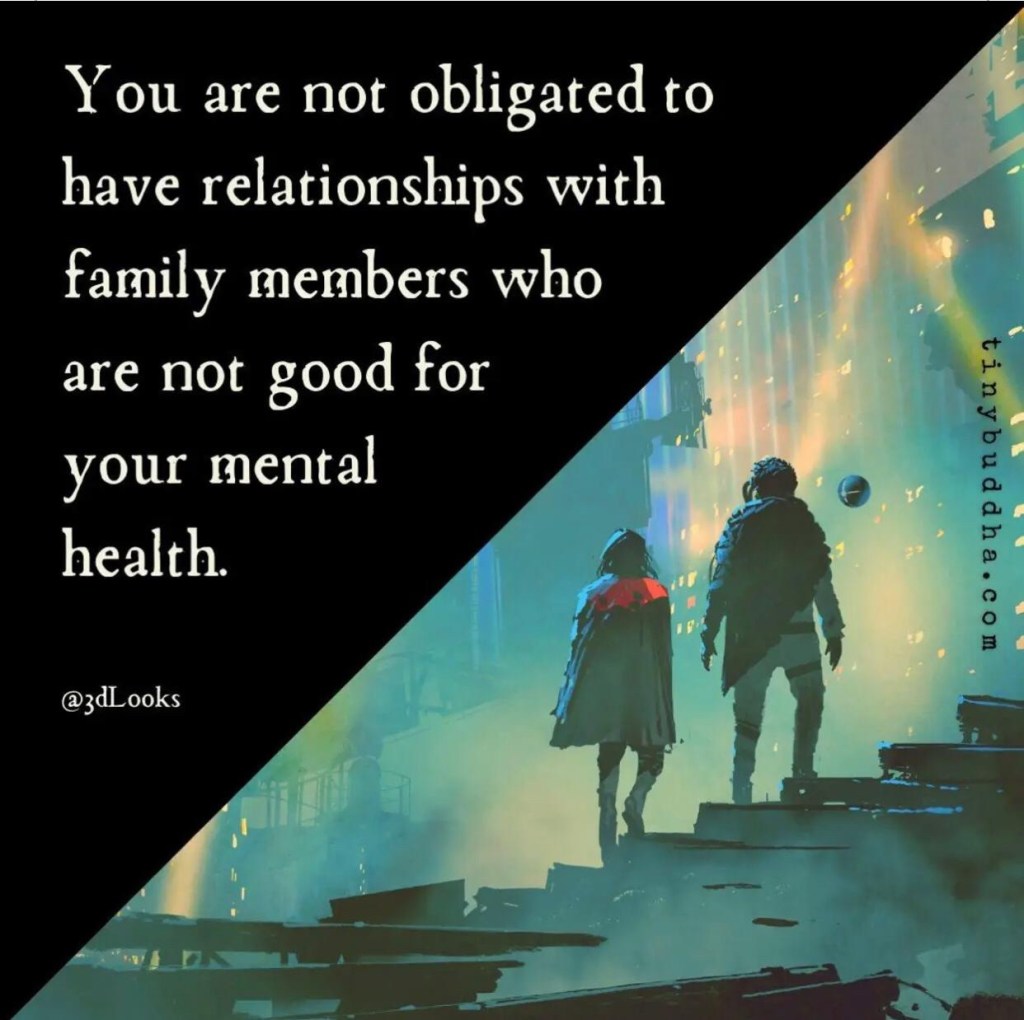
If you’re going to be uncomfortable being with family, you have permission to not go (or host).

In tech, we build software applications and systems, test them, then give them to others to test and “break”. We WANT them to find flaws so they can be fixed before a bigger problem is found. It’s an iterative process. Yes, sometimes frustrating, but usually satisfying especially if it’s an easy fix. No one expects it to be perfect.

Now imagine crafting your life that way. There is no right, there is no wrong, there just is. The good, the bad, the frustration, the elation all will pass, nothing is permanent. A moment from now you won’t be exactly the same person you were a moment ago, so quite possibly the NOW person doesn’t want or need what the person they were a moment ago needed.

My whole life changed again during COVID. One day I was living alone in a condo in northern NJ working 2 jobs commuting to NYC 6 days a week, and on March 9th, 2020 I shut down my section of MLB Advanced Media, a brand new multi-million dollar office, and have barely traveled to NYC again, even for fun. If you told me that – on that day at that moment, it didn’t seem like that something so extreme would even be possible. But it was.

The next day the entire team pivoted to be home based, and we got to work, and we made it work. In no small part of that equation we’re my bosses, who were and are stellar in every sense of the word. Was it seamless and perfect? Not even close. The whole team was clamoring for more work hours, but we all made due with what was given. It worked somehow.

In my off hours, which were now many, I began long walks outside, worked out more, went to the grocery store as little as possible, but when I did I wore my mask, came home took off my shoes at the door, washed the food, all the clothes I was wearing, and took a full shower. It was exhausting, but I didn’t get COVID.

I helped neighbors, and met with friends outside 6 feet apart, took care of my pets, and just kept moving forward. Was it perfect? Again, not by a long shot. I applied to any job I thought I could do remotely for months, I was about to lose my condo when I sold it and moved in with my boyfriend. I then also started a fully remote mainstream job for the first time in years. I was a fish out of water, but I learned about the people, the culture, the job, the technology, and the competition. It was all new like I was a beginner again, because in a certain way, I was. Tech in broadcasting was rapidly changing, evolve or die, I choose to live, and so I did.

Is it perfect now? Nope. It’s progress not perfection. I’m in a New home, with a great guy, great friends and family, a great job, still working out everyday. It got better and still gets better everyday. It’s been a long road but setting expectations and accepting where you’re at in that exact moment leads to a certain peace in life that perfection can’t deliver.

#keepmovingforward

Continue reading “It’s About Progress Not Perfection”

Idea Box…Being Present

Be here now. Being present, showing up, paying attention on a personal or work related phone call; Zoom, TEAMs, Chime, Blue Jeans, WebEx conference call where you’re camera is off and you’re muted, and “multitasking”. But are you really? Are you actually retaining the information while eating lunch, cooking dinner, surfing for a cool pair of shoes, or paying a bill? Let’s explore this a bit.

The TV is on with a show you’ve seen a hundred times. You get on your standard 9a call (whether it’s video or otherwise), and the coordinator goes over the agenda, then the meeting really begins. You don’t have to present anything on that particular day, soooooo you zone out, this content is as old as the TV show you have muted (with captions running in the background).

Change the dialog. The only way to do that is to listen, participate, oh and turn on you video camera at least while your asking a question, and especially if your pitching an idea, or presenting new material. It makes an impact. Don’t just literally show up and tune out, actively participate in the conversation, even if it is just in the chat box. You may find out an answer to a question that will help you later on.

This premise doesn’t stop at work, do you “multitask” at home while listening to your family while cooking dinner, Swiffering the floor, or considering where to place the decorations exactly? Did you remember that your spouse or significant other wouldn’t be home for dinner because they had an out-of-town client meeting that was going to run late?

Put down the skillet and spatula, turn off the TV, put down your phone, heck put it on silent mode! Stop surfing the net for that perfect pair of running shoes that are 80% off. Don’t answer every text immediately. It really can wait 5-20 minutes while you actually give the person your connected to the richly deserved time to connect in a real visceral way.

People are feeling more disconnected than ever since COVID. There’s a reason for that, and it’s not just the social distancing and masks. People have gotten so used to being separate, they’ve forgotten to be apart of something too.

This year, I’ve reconnected to many people through sports, but also just calling to say “hello, how are you?”. A simple act, but meaningful. Stringing small acts like that together can create a ripple in an isolated world. Take down the partition. Who cares if your hair and makeup aren’t perfect? It’s the authentic you, and your friends, family, colleagues, even people you haven’t met yet want YOU, the real you who is willing to give them 2 undivided minutes. You never know what the effect will be until you try. They and You deserve it.

If you’re not ready to get out into the full world yet, just pick up the phone, you don’t have to say anything else except “I was just thinking of you, and thought I’d call (instead of texting) to say hello.” What a statement! You’d hear the other person’s voice, tone, inflection, and I bet you’d raise their spirits, and yours as well too.

Don’t be afraid to take a chance. Leave a short message, don’t expect a response, not everyone else is ready / YET. Just take it easy on yourself, go moment by moment, then it’ll be a day, then the next, suddenly it’s months later, and you may have literally changed you life, by simply being present.