51 Tips to Set Yourself up for Success at Work

Where do you start? The action actually begins prior to starting your job. But, even if you’ve been working at a company for years and want to keep moving forward following are some suggested steps. These tips can apply to anyone at any stage of their career.

1. Research the company before your first day.
2. Familiarize yourself with the company culture.
3. Review the job description and requirements.
4. Understand your role and responsibilities.
5. Set clear goals and objectives.
6. Create a plan for achieving your goals.
7. Develop a positive attitude.
8. Build relationships with your colleagues.
9. Be open to feedback and constructive criticism.
10. Learn from your mistakes.
11. Build a strong work ethic.
12. Develop good time management skills.
13. Prioritize your tasks.
14. Set realistic expectations for yourself.
15. Stay organized.
16. Keep a positive outlook.
17. Take initiative.
18. Be proactive.
19. Anticipate problems and find solutions.
20. Communicate clearly and effectively.
21. Listen actively.
22. Build rapport with your boss.
23. Be flexible.
24. Adapt to changes in the workplace.
25. Be reliable and dependable.
26. Take responsibility for your actions.
27. Show respect to your colleagues.
28. Be a team player.
29. Offer assistance to others.
30. Stay focused on your priorities.
31. Keep your work area clean and organized.
32. Dress professionally.
33. Be punctual.
34. Attend meetings and training sessions.
35. Take notes to remember important details.
36. Use company resources effectively.
37. Maintain a positive work-life balance.
38. Seek out opportunities for growth and development.
39. Ask questions when you need clarification.
40. Develop strong problem-solving skills.
41. Build a network of contacts within the company.
42. Attend company events and social gatherings.
43. Stay up-to-date with industry trends and news.
44. Learn new skills and technologies.
45. Be adaptable to different work styles.
46. Be open to constructive criticism.
47. Take breaks when needed.
48. Stay positive in the face of challenges.
49. Celebrate your successes.
50. Continuously strive to improve and grow.
51. Get a mentor who has the qualities you want to adopt. You’ll learn from each other.

The Why Not Attitude for Job Success, Setting Boundaries, & Avoiding Burnout

You can excel in your passions. But it’s important to recognize those opportunities and say yes to them.

The philosophy of “Why not?” is not based on ignorance. Instead, it is a mindset that encourages openness to new ideas and experiences without immediately dismissing them. It is about approaching opportunities with a sense of curiosity and a willingness to take risks.

This philosophy of “Why not?” can work because it prompts you to consider things that may not have been previously considered, leading to new insights, opportunities, and directions. By embracing challenges and uncertainty instead of letting fear and doubt hold you back, you can discover new possibilities and grow as an individual.

Rather than blindly embracing every opportunity, the philosophy of “Why not?” is about considering the potential benefits and risks of a situation and making an informed decision based on your values and goals. With this mindset, individuals can approach their personal and professional lives with more creativity, flexibility and confidence, ultimately leading to greater success and fulfillment.

Are you feeling exhausted and at a loss as to how to succeed in your career while still maintaining a fulfilling home life? You’re not alone! The traditional methods of climbing the corporate ladder are not working for most women, leaving many feeling burned out and unfulfilled.

I know firsthand how difficult it can be to juggle the demands of a successful career with a rich personal life. For years, I struggled to keep up with the constant pressure and insane deadlines, never able to set boundaries that would allow me to thrive in both areas of my life. Eventually, I burned out and lost everything.

But I refused to give up. Using my expertise in human behavior, I carved out a new path to success that included intelligent boundaries and the ability to thrive both professionally and personally. And now I want to share my strategies with you, so that you too can achieve freedom and fulfillment.

Whether you work in management consulting, a male-dominated culture, a client-driven organization, an entrepreneurial endeavor, or under-resourced healthcare services, these strategies can help you create the exact boundaries necessary for success. So don’t wait – follow my journey, comment and like, and join an open forum where you can connect with other women who are ready to support you. It’s completely free, and if you’re not comfortable commenting, just send me a DM with a simple “hello”. I’m here and ready to help you thrive.

9 Tips for Women in Business

1. Prioritize self-care: Make your physical and mental health a priority. Prioritizing self-care habits such as getting enough sleep, exercising regularly, seeking support from friends and family, and managing stress can help prevent burnout and increase productivity.

2. Have SMART (Specific, Measurable, Attainable, Realistic, Time-Based) goals for your careers and put systems in place to achieve them. By identifying achievable goals and breaking them into smaller, more manageable steps, women can avoid the feeling of being overwhelmed and stay motivated.

3. Learn to delegate: Delegating tasks to other team members, including household tasks, this can create more time and energy for your careers and reduce burnout.

4. Build a support system: Networking and building a support system of like-minded women can be beneficial for navigating challenges and responsibilities that come with a demanding career.

5. Practice time management: Effective time management can help juggle both work and personal obligations. Prioritizing tasks and setting boundaries for how much time and energy to allocate to specific tasks can help be effective.

6. Use technology to your advantage: Technology can be a useful tool to manage tasks, team communication and efficient work processes which can help maximize time and reduce stress.

7. Seek flexibility: Create a job that is flexible or allows for remote work arrangements. This can help create more work-life balance by eliminating long commutes and taking charge of schedules that may not work as per their needs.

8. Take breaks: Taking regular breaks throughout the day, and in life in general, can help you recharge and return to tasks with a renewed focus and energy.

9. Not sure about achieving your goals? Develop a Why Not? attitude. Don’t give yourself excuses of why you can’t achieve your goal. Don’t look at the barriers or how “something has always been done”, don’t be afraid to challenge the norms, find out about a company you can help, and the solutions you can provide. Why Can You Do It? Keep an open-mind.

👍 Follow, Comment – it’s free!

The C-Suite: What is it, and tips to get there

The term “C-Suite” refers to the highest-ranking executive officers within a company or organization, such as the Chief Executive Officer (CEO), Chief Financial Officer (CFO), Chief Operations Officer (COO), Chief Marketing Officer (CMO), and Chief Technology Officer (CTO).

To seek out opportunities to demonstrate your leadership capabilities and produce results that can be recognized by senior executives in broadcasting, you can take the following steps:

1. Take on challenging projects: Seek out challenging projects that require you to lead a team and produce measurable results. Set clear goals and develop a plan to achieve them. Take ownership of the project and demonstrate your leadership skills by guiding your team towards success.

2. Collaborate with other departments: Work collaboratively with other departments within your organization to support shared goals. Build relationships with stakeholders and demonstrate your ability to communicate effectively and coordinate resources to achieve common objectives.

3. Mentor and coach junior staff: Establish yourself as a leader by mentoring and coaching junior staff. Share your knowledge and expertise with others, and encourage them to develop their skills and abilities. Show that you have a deep understanding of the industry and can support the growth and development of others.

4. Seek out training and development opportunities: Attend training and development opportunities that can enhance your leadership skills. This could be formal training courses or informal peer-to-peer learning opportunities.

5. Be innovative and agile: Be open to new ideas and technologies, and demonstrate agility in adapting to changing circumstances. Take a creative approach to problem-solving and continuously seek out ways to improve processes and outcomes.

6. Communicate accomplishments: Keep senior executives informed of your successes and results. Communicate effectively and clearly to show how your leadership has contributed to the success of specific projects or overall organizational goals.

By taking these steps, you can seek out opportunities to demonstrate your leadership capabilities and produce results that can be recognized by senior executives in broadcasting.


1. Develop a specialized skill or area of expertise: To stand out as a potential candidate for a C-level position, it is essential to develop a specialized skill or area of expertise that is in high demand within your industry.

To become a C-suite executive in broadcasting, you might need a combination of the following specialized skills or areas of expertise:

• Leadership: The ability to inspire and lead teams is critical for anyone aspiring to a C-suite position in broadcasting. You should be capable of creating a vision for your organization, setting strategic goals, and motivating your team to achieve them.

• Communication: Broadcasting is all about communication, and you should be adept at both written and verbal communication. Strong communication skills are essential for sharing information, building relationships and negotiating with stakeholders, including advertisers, production teams, and key talent.

• Technical expertise: To gain credibility with your team and have an understanding of the broadcast industry’s technical aspects, you should have some technical expertise in broadcasting. This knowledge can include familiarity with broadcasting hardware and software, audiovisual equipment, and communication platforms.

• Creativity and innovation: Broadcasting is an exciting and ever-changing industry, and to thrive in it, you need to be creative and innovative. The ability to generate new programming concepts, adapt to emerging technologies, and engage with your audience is increasingly important in today’s hyper-competitive media landscape.

• Business savvy: As a C-suite executive, you will need to have business acumen beyond just the broadcasting industry. You should have an understanding of finance, marketing, and operations, as well as the ability to create efficient and effective business strategies to grow your organization.

Overall, developing a combination of leadership, communication, technical expertise, creativity, innovation, and business savvy can help you become a C-suite executive in broadcasting. It is important to build a diverse set of skills and continuously improve yourself to stand out from the competition.

2. Build a track record of success: By consistently delivering positive results and demonstrating leadership capabilities, you can establish a strong track record of success that will help you stand out as a potential candidate for C-Level positions.

To deliver positive results and demonstrate leadership capabilities effectively, you can follow these tips:

• Set clear goals: Clearly defining your goals for your team and your organization can help you stay focused and create a clear path towards success. Goals should be specific, measurable, achievable, relevant, and time-bound.

• Communicate effectively: Effective communication is critical in broadcasting, whether you are interacting with colleagues, stakeholders or the audience. To communicate effectively, you should tailor your communication styles to suit different audiences and use simple language, storytelling, and empathy to convey your message.

• Lead by example: Leaders who lead by example create a positive and high-performance culture. Be a role model for your team, set the standard for excellence, and demonstrate the behaviour you expect from others.

• Delegate responsibility: Delegation can free up time and help you focus on key activities that require your expertise. It also helps develop your team’s skills, builds trust, and reinforces accountability.

• Embrace innovation: Broadcasting is an industry that is rapidly evolving, and to stay ahead of the curve, you need to embrace innovation. Encourage your team to experiment, take risks, and be creative with new ideas and technologies.

• Recognize and reward success: Celebrate milestone achievements, recognize successes, and reward top performers. Positive feedback can help boost morale and reinforce positive behavior.

• Continuously learn and grow: The broadcasting industry is evolving rapidly, and to stay current, you need to continuously learn and grow. Attend industry events, read relevant materials, network with peers, and seek out opportunities to expand your knowledge and skills.

By following these tips, you can deliver positive results and demonstrate leadership capabilities effectively in broadcasting as well as many other industries.

3. Seek out leadership opportunities: Seeking out opportunities within your organization to lead projects or teams can help you demonstrate your leadership capabilities and produce results that can be recognized by senior executives.

To seek out opportunities to demonstrate your leadership capabilities and produce results that can be recognized by senior executives, you can take the following steps:

• Take on challenging projects: Seek out challenging projects that require you to lead a team and produce measurable results. Set clear goals and develop a plan to achieve them. Take ownership of the project and demonstrate your leadership skills by guiding your team towards success.

• Collaborate with other departments: Work collaboratively with other departments within your organization to support shared goals. Build relationships with stakeholders and demonstrate your ability to communicate effectively and coordinate resources to achieve common objectives.

• Mentor and coach junior staff: Establish yourself as a leader by mentoring and coaching junior staff. Share your knowledge and expertise with others, and encourage them to develop their skills and abilities. Show that you have a deep understanding of the industry and can support the growth and development of others.

•Always be learning.  Seek out training and development opportunities: Attend training and development opportunities that can enhance your leadership skills. This could be formal training courses or informal peer-to-peer learning opportunities.

• Be innovative and agile: Be open to new ideas and technologies, and demonstrate agility in adapting to changing circumstances. Take a creative approach to problem-solving and continuously seek out ways to improve processes and outcomes.

• Communicate accomplishments:  It’s not bragging!  Keep senior executives informed of your successes and results. Communicate effectively and clearly to show how your leadership has contributed to the success of specific projects or overall organizational goals.

By taking these steps, you can seek out opportunities to demonstrate your leadership capabilities and produce results that can be recognized by senior executives.


4. Continuously learn and develop: Staying current with the latest industry trends and investing in ongoing education and professional development can help you develop the skills and knowledge needed to succeed in senior leadership roles.

Some current and latest industry trends in broadcasting include:

• Streaming services: The online streaming services continue to expand, and consumers are shifting towards watching their favorite shows on demand. OTT (over-the-top) services such as Netflix, Amazon Prime Video, and Disney+ are the key players offering original content and interacting with their viewers with interactive features.

• Virtual and Augmented Reality: Virtual and Augmented Reality (VR/AR) are becoming popular and are being used by broadcasters to enhance audience experience. It is already being used for production and broadcast of live sports.

• Interactive content: Interactive content is increasing rapidly; it encourages engagement and can offer additional value to the audience like polling, chatbots, games, and more.

• Personalized content: Personalization is becoming a significant factor as consumers demand customized and tailored content. Broadcasting services are focusing on providing tailored recommendations based on consumer interests, viewing history and behavior.

• Artificial Intelligence: AI technologies are augmenting broadcasting by enabling machine-learning algorithms, Natural Language Processing (NLP), and automated content creation.

• Social media for engagement: Social media like Twitter and Instagram is being used to drive engagement by broadcasters. These platforms are becoming a powerful marketing tool by providing connections with fans and access to real-time analytics of the audience.

• Remote production: The pandemic accelerated trends toward distributed production models, leading to remote production techniques for both pre-production and live event coverage.

These trends are shaping the broadcasting industry and aligning the market with the modern viewer’s requirements.

5. Network and build relationships: Building a network of professional connections within your industry and engaging in activities such as attending industry conferences and events can help you build relationships with key decision-makers and open up opportunities for C-level positions. 

25 current broadcast industry conferences:

IBC (International Broadcasting Convention), NAB (National Association of Broadcasters) Show, Broadcast Asia, CES (Consumer Electronics Show), NAB Radio Show, Media Finance Focus, TVOT (The TV of Tomorrow Show), Streaming Media West, Broadcast Minds, ABU Digital Broadcasting Symposium, IABM Conference, Next TV Summit & Expo, European Radio and Digital Audio Show, NABA Broadcast Technology Futures, Fates Summit, Connection Series by Digital Production Partnership, CIS Global Forum, SMPTE Motion Imaging Technology Summit, RadioDays Europe, Communications Policy Research Forum, Future Leaders Program of the Association of Public Television Stations, Sportel Monaco, Audio Engineering Society Convention, Convergence India, and Media Summit New York. Note: Some of these events may be virtual at the moment, due to the COVID-19 pandemic.

Overall, growing a career in the C-Suite requires a combination of strong technical skills, leadership capabilities, industry knowledge, and a strategic outlook.

Broadcast Project / Production Management – Serving Your Company, Clients, and Yourself Effectively

I realize this post can be taken wildly in the “wrong” direction. I personally struggle with setting “off-hour” work boundaries. If personnel is needed immediately for a broadcast or live event- I’m on it, Right Away for as long as it takes. I’ve pulled over on a busy highway (in a safe spot) to make calls, send texts, fb, LinkedIn connect to get crew in-time for a show or air.

Project / Production time management techniques:

There are numerous time management techniques that can help a broadcast production manager effectively manage their time. Some specific techniques that may be useful include:

• Planning and prioritizing: This involves mapping out all tasks that need to be done, setting deadlines and then prioritizing them in order of importance.

• Creating a schedule: A production manager can create a schedule that clearly indicates who is responsible for which tasks, when they are due, and how long they will take, in addition to hiring crew, and creating a happy, safe work environment for all (whether fully remote cloud, on on-site).

• Utilizing project management software: Tools like Trello, Asana, or Basecamp can help a production manager organize tasks, keep track of deadlines, and assign tasks to different team members.

• Delegating tasks: It’s important for a production manager to delegate tasks to other team members (associate pm, production assistants, and runners), this can be achieved by identifying the skill set of each team member, assigning tasks accordingly and following up regularly.

• Setting clear expectations: Clear communication from the beginning on the goals of the project, the timeline and the budget can avoid a lot of issues.

• Staying focused: It is important for a production manager to stay focused by setting specific goals for each day or week and avoiding distractions.

• Regularly reviewing progress: Regularly checking on the milestones and timelines help in understanding the progress of the production and can help in making necessary adjustments to stay on track.

 Isn’t it important to take care of work / clients at any cost to my time management/ boundaries?

While it is important to provide good service to an employer / clients, it is also important to set realistic expectations and boundaries for your time management. In the demanding broadcast industry, working long hours are expected, that is not the exception, it’s the base rule (which many of us do), and being available at all times can quickly lead to burnout and impact your performance, which can ultimately affect the quality of service you provide.

By setting healthy boundaries, you can maintain a healthy work-life balance and better manage your time, which can help you perform better overall and ultimately provide better service to your clients. Additionally, setting boundaries can help prevent potential conflicts and unrealistic expectations from clients, which can ultimately lead to better working relationships.

It’s important to communicate your boundaries and expectations to your clients clearly and proactively to ensure everyone is on the same page. 

Clients will appreciate the transparency, and having a clear understanding of when and how they can contact you can help you better manage your time and prioritize urgent matters.

It is possible to take care of your clients while still setting realistic boundaries and managing your time effectively. Both are important for your overall well-being and success in the demanding broadcast industry.


As a Project / Production Manager it’s difficult to set boundaries at work, especially when working with many teams across many time zones.  I frequently am on calls, Zoom, TEAMS, etc at all hours of the day and night.  

It’s not easy to navigate 🧭 but, if you know that you’ll have a couple of hours (or even 15 minutes) at 10a after a 4am daily meeting, take the time to recharge, take a walk, fix a healthy snack or meal, meditate – take time for YOU!  That’s the ultimate point.

There are a few ways a project or production manager can set boundaries for their off time in the demanding broadcast industry:

• Clearly communicate expectations: It’s important to communicate with your team and colleagues about your off time and clearly define your work hours and availability. Let them know when you will and won’t be available and how they can get in touch with you for emergencies.

• Delegate responsibilities if possible: Assign tasks and responsibilities to team members so that they can take care of urgent matters in your absence.  Give them the tools to succeed too.  You can cover them in their off-time, creating a symbiotic working relationship, snd trust. This will help you feel more comfortable taking time off and allow you to fully disconnect.

• Prioritize self-care: Taking care of your physical, mental and emotional health is important, especially when working in a high-pressure industry. Make sure you schedule time for yourself to recharge and do things you enjoy.

• Stick to your boundaries as much as possible: It can be tempting to check your work email or answer calls outside of work hours, but it’s important to stick to your boundaries to avoid burnout. Set up an automatic email reply or voicemail message letting people know when you are available and when you will respond.

By implementing these strategies, project and production managers can set healthy boundaries for their off time in the demanding broadcast industry. In saying that……read on…

Now, as anyone in the industry knows.  There are many “off hour” times we must respond (and for as long as it takes to resolve the issue).  Below are some guidelines to help navigate responding to work emergencies, and requests.

If you have to respond during your off time in the demanding broadcast industry, it’s important to prioritize urgent matters and set limits on how much time you spend working. Here are a few strategies you can use:

• Prioritize urgent matters: If you receive an urgent email or call during your off time, assess whether it requires immediate attention or if it can wait until your next workday. If it needs to be addressed right away, respond appropriately, but try to limit your involvement to only what’s necessary.

• Try to set limits on your response time: If you do need to respond, be clear about when you will be available and how long you can spend working. Let your team know that you will address the issue as soon as possible, but that it may take longer than usual due to your off hours.

• Use technology to your advantage: Set up rules and filters in your email inbox to prioritize urgent matters and filter out non-essential messages. Consider using an app or tool to help you manage and organize your workload more efficiently.

• Establish clear boundaries (as much as possible): Despite responding during your off time, you should still take time for self-care and stick to your work-life boundaries. Avoid working for extended periods or responding to non-urgent mattersto prevent burnout and maintain a healthy work-life balance.

Remember, it’s important to take care of yourself and set (flexible) boundaries, even in a demanding industry. By doing so, you can improve your overall well-being and performance at work.

Please 👍 my content, follow, and/or subscribe / it’s free!

Tips on Promoting, Creating, & Encouraging A Safe, Mindful, Creative Work-Space

A widely spoken about topic. Let’s get Specific! Vagueness & Ambiguity lead to uneasiness, and doubt. DeBunk the mystery starting now. We are in this together.

Foster an open and inclusive culture where everyone’s ideas and perspectives are valued and respected.

• How is this implemented?

To foster an open and inclusive culture where everyone’s ideas and perspectives are valued and respected, one can try implementing the following:

1. Encourage open and transparent communication channels within the organization, such as regular meetings, online forums, or suggestion boxes, to allow employees to express their ideas and opinions freely.

2. Actively listen to and consider each person’s input, regardless of their experience or rank in the organization.

3. Establish a code of conduct that promotes respect, dignity, and autonomy for all employees and stakeholders.

4. Provide ongoing training and education about diversity, equity, and inclusion to ensure that everyone understands the importance of respecting different perspectives and experiences.

5. Celebrate and acknowledge the diversity of employees’ backgrounds, experiences, and opinions to create a sense of belonging for everyone within the organization.

6. Encourage collaboration between employees at different levels of the organization, across departments, or even across organizations to promote knowledge-sharing and teamwork.

By fostering an open and inclusive culture, you can create an environment that encourages innovation, creativity, and problem-solving.

Organize regular brainstorming and ideation sessions where everyone in the team can freely express their ideas and opinions on a given topic.

• Guidelines on how this is implemented:

To successfully implement regular brainstorming and ideation sessions in where everyone in the team can freely express their ideas and opinions on a given topic, one can follow these steps:

1. Choose a facilitator who can guide the brainstorming session effectively and ensure everyone has the chance to participate equally.

2. Define the topic or problem you want to solve and provide background and context to the team.

3. Set clear goals and objectives for the brainstorming session and communicate them to the team.

4. Ensure that everyone is aware of the brainstorming session in advance and has time to prepare their ideas and thoughts.

5. Establish rules of engagement, such as no criticism or judgment during the session, and encourage all participants to listen actively and respect others’ opinions.

6. Provide tools such as whiteboards, sticky notes or online collaboration software to help organize and capture everyone’s ideas.

7. Continuously iterate the ideas on the whiteboard, grouping similar ideas and discussing potential solutions to the problem.

8. After the brainstorming session, follow up with the team to provide feedback and insights on the ideas generated during the session.

By implementing these steps, you can effectively organize regular brainstorming and ideation sessions that foster open communication, encourage creative thinking, and generate innovative solutions.

Encourage cross-functional collaboration between different teams and departments to promote knowledge-sharing and collaboration.

How is this implemented?

To successfully encourage cross-functional collaboration between different teams and departments, one can follow these steps:

1. Identify the key teams and departments that can benefit from collaboration, and define specific projects or initiatives where collaboration is needed.

2. Develop clear objectives and requirements for the project and communicate them to all teams and departments involved.

3. Assign clear roles and responsibilities to each team and establish clear channels for communication and collaboration.

4. Encourage regular check-ins and progress reports between teams to ensure everyone is on the same page and to identify and address any potential issues that may arise.

5. Provide opportunities for team members to socialize and interact outside of work hours, such as team-building activities or events, to build relationships and trust.

6. Provide training and resources to help team members develop the skills necessary for successful collaboration, such as effective communication, conflict resolution, and problem-solving.

7. Recognize and reward successful collaboration by acknowledging individual and team contributions, celebrating successes, and sharing best practices within the organization.

By implementing these steps, one can foster cross-functional collaboration between different teams and departments, promoting knowledge-sharing, and collaboration that can lead to increased creativity and innovation in the workplace.

Provide opportunities for professional development and training to help build skills and knowledge in collaborative thinking and problem-solving.

Set clear goals and objectives for collaboration and reward team members for their contributions to the collaborative process.

• How is this done?

To set clear goals and objectives for collaboration and reward team members for their contributions to the collaborative process, one can follow these steps:

1. Define the scope and purpose of the collaboration project and ensure that it aligns with the overall goals and objectives of the organization.

2. Establish specific, measurable, achievable, relevant, and time-bound (SMART) goals and objectives for the collaboration project, and communicate them to all team members involved.

3. Break down the project into specific tasks and assign clear responsibilities to team members, providing them with the necessary resources, support, and training to achieve their goals.

4. Set up regular progress update meetings or check-ins to track progress against the established timeline, goals, and objectives.

5. Celebrate individual and team achievements, acknowledging and rewarding team members’ contributions to the collaborative process.

6. Allocate resources, such as funding, time, and technology, to ensure the collaboration project’s success and encourage team members to think creatively and innovatively.

7. Recognize and reward successful collaboration by acknowledging individual and team contributions, celebrating successes, and sharing best practices within the organization.

By implementing these steps, one can set clear goals and objectives for collaboration and motivate team members to collaborate effectively, leading to increased productivity and success for the collaborative project and broadcasting organization.

Establish protocols and guidelines for effective communication and decision-making to ensure that everyone is on the same page and working towards the same goals.

• How are protocols and guidelines established ?

To establish protocols and guidelines for effective communication and decision-making, follow the steps below:

1. Establish a communication plan: Determine the communication channels, frequency, and methods to be used during the project. Ensure that everyone on the team is aware of the communication plan.

2. Define decision-making processes: Establish clear decision-making processes, including who has the decision-making authority, how decisions will be made, and what happens after the decision is made.

3. Develop a code of conduct: Establish a code of conduct that outlines expected behaviors for project team members, including respect for colleagues, professionalism, and promptness in responding to communications.

4. Set clear expectations: Clearly define the responsibilities of each team member, including when and how to report progress or raise concerns.

5. Provide training: Provide training on effective communication, negotiation, conflict resolution, and decision-making.

6. Use collaborative tools: Use collaborative tools, such as virtual meeting software and project management software, to facilitate communication and decision-making.

7. Monitor and evaluate: Monitor and evaluate the communication and decision-making processes throughout the project to identify areas for improvement.

By adopting these strategies, one can create a collaborative and open-minded culture that fosters creative thinking, innovation, and collaboration, establish protocols and guidelines for effective communication and decision-making, ensuring that everyone is on the same page and working towards the same goals. This will promote a successful project outcome.

Please 👍 follow, and subscribe – it’s free!

From Zero to Kubernetes Hero: How to Get Started with Container Orchestration Today

Kubernetes is an open-source container orchestration platform that automates the deployment, scaling, and management of containerized applications.

Kubernetes allows developers to define how their application should be orchestrated and managed in a declarative way using YAML files. It can manage a large number of containers across multiple hosts, making it easier to deploy and scale applications.

Kubernetes provides features like load balancing, automated rollouts and rollbacks, self-healing capabilities, and application scaling. It also ensures high availability by providing features such as container health monitoring, automatic failover, and replication.

Overall, Kubernetes helps simplify the process of deploying and managing containerized applications and makes it easier to scale them to meet changing demands. It has become a popular tool for managing distributed systems and is widely used in cloud-native application development.

Recently, three new miniaturized Kubernetes (K8s) distributions have been launched to manage compact containers:

1. K3s: Lightweight Kubernetes by Rancher Labs, weighing only 40MB, providing a feasible option for resource-constrained environments.

2. MicroK8s: Ubuntu’s K8s distribution designed for IoT, Edge, and DevOps. It offers a small footprint, rapid install, and a simple operator experience.

3. K0s: A modern, production-grade Kubernetes distribution developed by Mirantis, built to work across many hardware and software environments, including ARM and x86 platforms. It claims to be the best fit for developers needing ‘all-in-a-single-binary’ Kubernetes distribution. 

These miniaturized distributions have been created to cater to businesses that face challenges while dealing with complex infrastructure systems. They are compact, efficient, and easy to install, offering the benefits of K8s while overcoming its challenges.

MicroK8s is a version of Kubernetes specifically designed for IoT, Edge, and DevOps use cases. It provides a lightweight container orchestration solution ideal for resource-constrained environments by allowing users to run Kubernetes locally, on a laptop or Edge device.

IoT stands for “Internet of Things,” which refers to the interconnectivity and communication between various physical devices that are embedded with sensors, software, and other technologies. The data generated by connected devices is collected, analyzed, and used to automate processes and improve decision-making.

Edge computing is a distributed computing model that brings computation and data storage closer to the location where it is needed, which could be on sensors, gateways, or even local servers. This technology helps to reduce network latency and improve performance by processing data closer to the source.

DevOps is a set of practices that combines software development and IT operations to automate and streamline the software delivery process. It helps teams to collaborate more effectively, deliver software more frequently, and with a higher degree of reliability.

Together, IoT, Edge, and DevOps complement one another, as IoT and Edge computing generate large amounts of data that need to be processed in real-time, while DevOps provides the tools and processes needed to handle the software development, testing, deployment, and management required for these complex systems.

MicroK8s is now available as a Snap package (Snaps also a higher level of security by isolating the application from the rest of the system. This makes it easier to maintain and update Kubernetes and ensures a consistent user experience across multiple platforms).

Snap packages can be installed with a single command on supported platforms like Ubuntu, Debian, Fedora, and ArchLinux. To install MicroK8s on Ubuntu, use the following command:

sudo snap install microk8s –classic –channel=1.21/stable

After installation, you can check the status of MicroK8s with the following command:

sudo microk8s status –wait-ready

You can then begin to run Kubernetes commands as with any other Kubernetes distribution. MicroK8s can be managed through a web console or command-line interface and can deploy a wide variety of applications including web servers, databases, and microservices. MicroK8s also includes support for popular add-ons such as Istio, Knative, and Prometheus for advanced monitoring and management capabilities. 

MicroK8s is a simple, fast, and lightweight Kubernetes distribution designed specifically to run on IoT, Edge, and DevOps environments, with easy installation through a single command for quick set up and use.

MicroK8s is a lightweight, easy-to-install version of Kubernetes that’s specifically designed to run on resource-constrained environments such as IoT and Edge devices. As a Snap package, MicroK8s is a self-contained, modular application that includes all the necessary components for running Kubernetes, including the Kubernetes control plane, the kubelet, and other essential Kubernetes features.

A Snap package is a self-contained application package that includes all the dependencies and runtime libraries needed to run the application on any Linux distribution that supports the Snap package system. This means that MicroK8s does not require any external dependencies or system changes to be installed, making it a quick and easy way to get Kubernetes up and running on any supported Linux platform.

Snap packages are also easy to manage and upgrade, as updates to the package and individual software components can be performed automatically with the built-in Snap package management system. This allows users to stay up-to-date with the latest versions of the software without the need for is a lightweight, easy-to-install version of Kubernetes that’s specifically designed to run on resource-constrained environments such as IoT and Edge devices. As a Snap package, MicroK8s is a self-contained, modular application that includes all the necessary components for running Kubernetes, including the Kubernetes control plane, the kubelet, and other essential Kubernetes features.

Feel free to leave a comment or update.

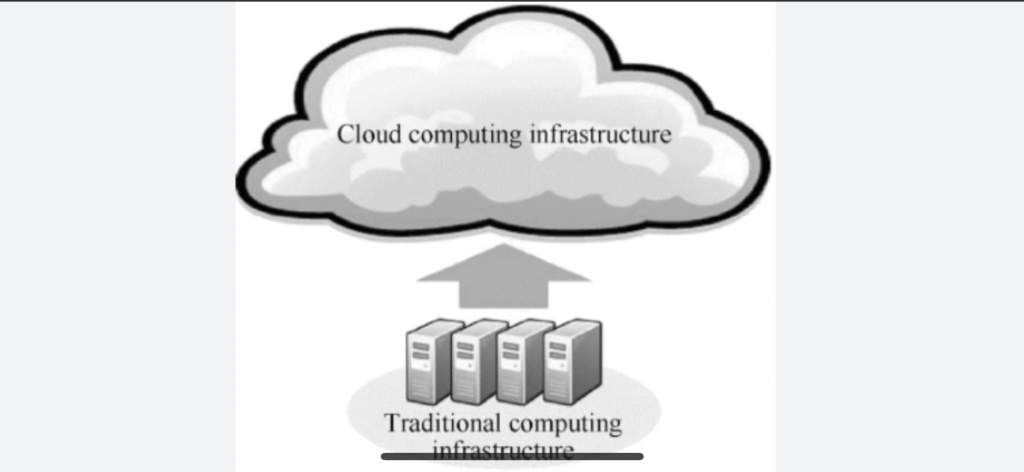
Info – Overview: Cloud Providers & What They Do

Here are some popular cloud service providers:

1. Amazon Web Services (AWS)

2. Microsoft Azure

3. Google Cloud Platform (GCP)

4. IBM Cloud

5. Oracle Cloud Infrastructure (OCI)

6. Alibaba Cloud

7. DigitalOcean

8. VMware Cloud

9. Rackspace

10. Salesforce Cloud

Here’s a brief explanation of what

each of the cloud providers do:

1. Amazon Web Services (AWS): A comprehensive cloud computing platform that provides Infrastructure as a Service (IaaS), Platform as a Service (PaaS), and Software as a Service (SaaS) offerings. AWS offers a wide range of services, including computing, storage, database, analytics, machine learning, networking, and security.

2. Microsoft Azure: A cloud computing platform that provides IaaS, PaaS, and SaaS offerings. Azure offers services for computing, storage, database, security, analytics, AI, and IoT. It also provides integration with Microsoft’s other products, such as Office 365 and Dynamics 365.

3. Google Cloud Platform (GCP): A cloud computing platform that provides IaaS, PaaS, and SaaS offerings. GCP offers services for computing, storage, database, analytics, machine learning, networking, and security. It also provides integration with Google’s other products, such as Google Workspace and Android.

4. IBM Cloud: A cloud computing platform that provides IaaS, PaaS, and SaaS offerings. IBM Cloud offers services for computing, storage, database, analytics, AI, and IoT. It also provides integration with IBM’s other products, such as Watson and Red Hat.

5. Oracle Cloud Infrastructure (OCI): A cloud computing platform that provides IaaS, PaaS, and SaaS offerings. OCI offers services for computing, storage, database, analytics, security, and application development. It also provides integration with Oracle’s other products, such as Oracle Database and Oracle Fusion Middleware.

6. Alibaba Cloud: A cloud computing platform that provides IaaS, PaaS, and SaaS offerings. Alibaba Cloud offers services for computing, storage, database, security, networking, and big data analytics. It is mainly focused on serving customers in Asia.

7. DigitalOcean: A cloud computing platform that provides IaaS offerings, particularly for developers and small businesses. It offers services for computing, storage, networking, and security, with a focus on simplicity and affordability.

8. VMware Cloud: A cloud computing platform that provides IaaS, PaaS, and SaaS offerings. VMware Cloud offers services for computing, storage, networking, security, and application development. It is particularly focused on providing hybrid cloud solutions that integrate with on-premises infrastructure.

9. Rackspace: A cloud computing platform that provides managed hosting and cloud services. Rackspace offers services for computing, storage, networking, security, and application support, with a focus on customer support and expertise.

10. Salesforce Cloud: A cloud computing platform that provides SaaS offerings focused on customer relationship management (CRM) and enterprise applications. Salesforce Cloud offers services for sales, marketing, customer service, analytics, and app development, with a focus on helping businesses grow and succeed.

Please reply and add anyone I missed.

Broadcasting Standards a Quick Overview: SMPTE2110 & AES67

SMPTE 2110 is a set of standards developed by the Society of Motion Picture and Television Engineers (SMPTE) for professional video over IP (internet protocol) networks. It comprises three separate parts: SMPTE ST 2110-10 for system timing and synchronization, SMPTE ST 2110-20 for uncompressed video, and SMPTE ST 2110-30 for uncompressed audio.

AES67 is a standard developed by the Audio Engineering Society (AES) for professional audio over IP networks. It defines a common protocol for high-quality, low-latency audio transport between different manufacturers’ products and solutions, allowing interoperability between different audio networking systems.

Both SMPTE 2110 and AES67 are widely used in the broadcast and professional media industries, where they provide a flexible and cost-effective way to transport high-quality video and audio signals over IP networks.

Tips: Breaking into the Broadcasting Field

You will need to gain (over time) extensive knowledge and experience in the field. Here are some steps you can take:

  1. Get a degree: A bachelor’s degree in broadcasting or a related field can provide you with a strong foundation of knowledge and skills required in broadcasting.
  2. Gain hands-on experience: Get involved in student radio, TV stations, or other broadcasting organizations to gain hands-on experience.
  3. Specialize: Choose a niche or specialty field within broadcasting, such as sports, news, entertainment, or production, and become proficient in it.
  4. Stay current: Stay up-to-date with the latest trends, technologies, and developments in broadcasting by attending industry events, webinars, and workshops.
  5. Build a network: Build connections within the broadcasting industry by attending conferences, industry events or joining related groups on social media.
  6. Share your expertise: Share your knowledge by writing articles, giving talks, or teaching others in the broadcasting community.

Remember that becoming an SME takes time and dedication. Continuously developing your skills and expertise will boost your career and improve your chances of becoming an SME in broadcasting.

Giving Yourself Credit

If you’re like me, you beat yourself up for every mid-step, mistake you make, big or small. I played softball yesterday and made a ton of good plays, ran for first to be safe like a jet, scored at home plate twice by out running the throw, but also was thrown out once at second base, bobbled a ground ball and didn’t get the runner. I remember the mistakes more than the good stuff.

The same goes for my golf game. I hit the ball straight most of the time, but a lot of the time I don’t hit it very far, or get “air” on it. The ball rolls down the fairway pretty far at least and is competitive. But, if I’m swinging over water I choke. If I swing out of a bunker or high grass, I chip like a champ. My tee shot is terrible, my short game is awesome. I love chipping and putting. I practice driving on the range into the water, and I hit equally good and bad shots. Putting and chipping, I’d say I do what I want to do and am successful 90% of the time.

On the driving range

What do I remember most? The misses. It’s time to change that. Especially after all my lofty (pun intended) plans in January. They weren’t resolutions, they were plans.

I also wanted to write everyday. I’ve written some, so I’ve attained that. But, I haven’t written everyday and posted it like I planned to.

I wanted to improve my running time, I hurt my ankle and had to take downtime, so now I started over again last week – slowly.

The Swimming – ankle support

I swim, I’m trying to improve my lap time, but my ankle kept torquing there too, I had to get a swim ankle brace, but I’ve been able to swim regularly again now, and my lap time has improved, and I now do over a mile 5-6 days a week. Days that I feel tired, I have a slower lap time, I beat myself up for going so slow all the way home, but try to shake it off while making dinner.

At work, I can do every right. Cross all I need off my list, and I feel accomplished. Then I realize I forget to get an essential ingredient(s) for dinner at the store. What do you think I think of? Not the accomplishments, but then I pivot on the dinner, and make something else, most of the time it turns out better than I thought it would.

Improvising works!

So, my point it, it’s time to reset. Reset your thinking if you’re like me. Remember the good, the great, the lucky break even. Yes, I’d rather be great or even good than lucky, but I’ll take the luck, any day.

We all need some encouragement sometimes, so hopefully this has helped someone recalibrate their mindset to remember the good or great things you’ve done and accomplished up to now. And, if you’ve taken mid-steps or not even started your plans for 2023, reset now.

There are 24 hours in a day. You can restart your 24 hours at any time, whether it’s 10am, 2pm, or Midnight. It’s YOUR 24 hours. Let go of any regret of not even starting what you set out to do – YET. You can start your 24 hours now, or anytime you choose.

Love Yourself First, the rest Will come. Act and think like “it’s on its way”, and it will come. You need to think that it’s coming first, then it will. Be patient, be persistent, be courageous, be humble, be grateful.

Love yourself like you’re the last YOU on earth, because you are.