Broadcasting Tips: QC’ing and Transcoding files

In media production, building QC (quality check) and transcode files for use in manual and automated workflows typically involves the following steps:

1. Determine the specifications: Identify the technical requirements for the media file based on the delivery platform or distribution channels. This includes file format, resolution, aspect ratio, bit rate, frame rate, audio format, and other technical parameters.

2. Encode or transcode: Once the file specifications are defined, use a transcoding software to encode or transcode the media file to the desired specifications. This process converts the file from its original format to the required delivery format. Ensure the output quality is up to the expected standards.

Note: Encoding and transcoding are both processes of converting digital media files from one format to another. However, there is a distinction between these two processes that is important to understand.

Encoding refers to the process of compressing digital media files into a specific format to reduce file size while retaining as much quality as possible. This compression can be lossless or lossy, depending on the encoding method used.

Transcoding, on the other hand, involves taking an already compressed media file and re-compressing it into a different format or bitrate. This can involve changing the media file’s resolution, aspect ratio, frame rate or other technical parameters.

While both encoding and transcoding can be used to reduce file sizes, encoding typically involves compressing high-quality files for use in delivery platforms while transcoding focuses more on adapting existing media files to suit a variety of distribution and delivery platforms.

The main difference lies in the fact that encoding is the process of compressing an un-compressed file for storage or streaming purposes, while transcoding is the process of converting an already compressed file into a different format, resolution, and/or bit rate.

3. QC check: Once the file is transcoded, it must be tested to ensure it meets technical specifications and quality levels. This can be done manually or through an automated quality control system that checks for technical issues such as pixelation, color accuracy, brightness, and resolution.

To specifically test QC’d video and ensure it meets technical specifications and quality levels, you can follow these steps:

• Check the video resolution: Ensure the video resolution matches the intended output specifications. For instance, if the video is meant for a 1080p output, verify that the resolution is 1920×1080.

• Verify aspect ratio: Verify if the aspect ratio of the video is correct. This can typically be set to 16:9 or 4:3.

• Check bit rate: Verify that the video’s bit rate meets specified requirements. This will affect the video quality, and too high or too low bit rates can result in poor quality.

• Test audio quality: Check audio levels, clarity, and timing. Ensure audio levels don’t clip or distort, and that the audio is synced correctly to the video.

• Check color and exposure: Verify the color accuracy and exposure levels of the video. Ensure that the colors are not too saturated or de-saturated and that the exposure levels are not too bright or too dark.

• Run tests for technical issues: Quality control software can automate this step by running a series of automated tests to check for technical issues. Some common issues software can detect include pixelation, interlacing, dropouts, and compression errors.

Here are ten series of automated tests that are commonly used to check for technical issues in the broadcast media industry’s QC process:

– Video signal analysis: This involves analyzing the video signal to detect issues such as missing or duplicate frames, video compression artifacts, and signal dropout.

– Audio level analysis: This involves analyzing the audio levels to verify that they are within acceptable levels and that there are no audio dropouts.

– Lip sync analysis: This test checks that the audio and video are in sync with each other, with no noticeable delays or desyncs.

– Closed captioning analysis: This involves analyzing the closed caption data to ensure that they are synced correctly with the audio and video.

– Loudness compliance analysis: This test ensures that audio levels comply with relevant loudness guidelines, such as CALM Act.

– Video quality metrics: This measures various video quality metrics, such as Peak Signal-to-Noise ratio (PSNR), Structural Similarity (SSIM) and Mean Opinion Scores (MOS), to ensure that the video is of high quality.

– Aspect ratio and resolution compliance: This test ensures that the video’s aspect ratio and resolution comply with relevant specifications.

– Subtitle and caption compliance: This verifies that subtitles and captions adhere to standards and are free from errors.

– Compression analysis: This test checks that the video encoding and compression have been applied correctly, and verifies that bitrates aren’t too high or low.

– Color and gamma analysis: This test verifies correct color space and level and image brightness or dark values through gamma analysis. 

These automated tests help ensure that broadcast media content is delivered to its intended specifications, and adheres to industry standards for technical quality.

– Check for legal compliance: Verify that the video does not contain any copyright infringements or other legal compliance issues.

4. Review and revise: Once QC checks are complete, review the results and revise any errors or issues that were found. This can involve making additional cuts, color correction, or other adjustments.

5. File-naming convention and metadata: Consistent file naming convention and metadata is essential to ensure the media assets are managed and distributed optimally. Using a bespoke asset management system or media production software that tag and track the files and the corresponding metadata allows for efficient and accurate searching and retrieval for the use of the assets in future projects.

By following these steps, media producers can ensure that their assets are optimized for different platforms and workflows while also making sure that the files meet the required technical standards for delivery.

Logistics Gymnastics: Making it work

Technology plays a crucial role in logistics and supply chain management. Here are some examples of vital technologies used in logistics and supply chain management:

  1. Transportation management systems (TMS)
  2. Warehouse management systems (WMS)
  3. Global positioning systems (GPS)
  4. Radio-frequency identification (RFID)
  5. Automated guided vehicles (AGVs)
  6. Drones
  7. Artificial intelligence (AI) and machine learning (ML)
  8. Big data analytics
  9. Blockchain technology
  10. Cloud computing
  11. Mobile devices and applications
  12. Electronic data interchange (EDI)
  13. Electronic logging devices (ELDs)
  14. Telematics

These technologies can be used for a variety of purposes such as optimizing routes, tracking shipments, managing inventory, and improving supply chain visibility. By leveraging these technologies, companies can enhance their efficiency, reduce costs, and provide better overall service to their customers.

The C-Suite: What is it, and tips to get there

The term “C-Suite” refers to the highest-ranking executive officers within a company or organization, such as the Chief Executive Officer (CEO), Chief Financial Officer (CFO), Chief Operations Officer (COO), Chief Marketing Officer (CMO), and Chief Technology Officer (CTO).

To seek out opportunities to demonstrate your leadership capabilities and produce results that can be recognized by senior executives in broadcasting, you can take the following steps:

1. Take on challenging projects: Seek out challenging projects that require you to lead a team and produce measurable results. Set clear goals and develop a plan to achieve them. Take ownership of the project and demonstrate your leadership skills by guiding your team towards success.

2. Collaborate with other departments: Work collaboratively with other departments within your organization to support shared goals. Build relationships with stakeholders and demonstrate your ability to communicate effectively and coordinate resources to achieve common objectives.

3. Mentor and coach junior staff: Establish yourself as a leader by mentoring and coaching junior staff. Share your knowledge and expertise with others, and encourage them to develop their skills and abilities. Show that you have a deep understanding of the industry and can support the growth and development of others.

4. Seek out training and development opportunities: Attend training and development opportunities that can enhance your leadership skills. This could be formal training courses or informal peer-to-peer learning opportunities.

5. Be innovative and agile: Be open to new ideas and technologies, and demonstrate agility in adapting to changing circumstances. Take a creative approach to problem-solving and continuously seek out ways to improve processes and outcomes.

6. Communicate accomplishments: Keep senior executives informed of your successes and results. Communicate effectively and clearly to show how your leadership has contributed to the success of specific projects or overall organizational goals.

By taking these steps, you can seek out opportunities to demonstrate your leadership capabilities and produce results that can be recognized by senior executives in broadcasting.


1. Develop a specialized skill or area of expertise: To stand out as a potential candidate for a C-level position, it is essential to develop a specialized skill or area of expertise that is in high demand within your industry.

To become a C-suite executive in broadcasting, you might need a combination of the following specialized skills or areas of expertise:

• Leadership: The ability to inspire and lead teams is critical for anyone aspiring to a C-suite position in broadcasting. You should be capable of creating a vision for your organization, setting strategic goals, and motivating your team to achieve them.

• Communication: Broadcasting is all about communication, and you should be adept at both written and verbal communication. Strong communication skills are essential for sharing information, building relationships and negotiating with stakeholders, including advertisers, production teams, and key talent.

• Technical expertise: To gain credibility with your team and have an understanding of the broadcast industry’s technical aspects, you should have some technical expertise in broadcasting. This knowledge can include familiarity with broadcasting hardware and software, audiovisual equipment, and communication platforms.

• Creativity and innovation: Broadcasting is an exciting and ever-changing industry, and to thrive in it, you need to be creative and innovative. The ability to generate new programming concepts, adapt to emerging technologies, and engage with your audience is increasingly important in today’s hyper-competitive media landscape.

• Business savvy: As a C-suite executive, you will need to have business acumen beyond just the broadcasting industry. You should have an understanding of finance, marketing, and operations, as well as the ability to create efficient and effective business strategies to grow your organization.

Overall, developing a combination of leadership, communication, technical expertise, creativity, innovation, and business savvy can help you become a C-suite executive in broadcasting. It is important to build a diverse set of skills and continuously improve yourself to stand out from the competition.

2. Build a track record of success: By consistently delivering positive results and demonstrating leadership capabilities, you can establish a strong track record of success that will help you stand out as a potential candidate for C-Level positions.

To deliver positive results and demonstrate leadership capabilities effectively, you can follow these tips:

• Set clear goals: Clearly defining your goals for your team and your organization can help you stay focused and create a clear path towards success. Goals should be specific, measurable, achievable, relevant, and time-bound.

• Communicate effectively: Effective communication is critical in broadcasting, whether you are interacting with colleagues, stakeholders or the audience. To communicate effectively, you should tailor your communication styles to suit different audiences and use simple language, storytelling, and empathy to convey your message.

• Lead by example: Leaders who lead by example create a positive and high-performance culture. Be a role model for your team, set the standard for excellence, and demonstrate the behaviour you expect from others.

• Delegate responsibility: Delegation can free up time and help you focus on key activities that require your expertise. It also helps develop your team’s skills, builds trust, and reinforces accountability.

• Embrace innovation: Broadcasting is an industry that is rapidly evolving, and to stay ahead of the curve, you need to embrace innovation. Encourage your team to experiment, take risks, and be creative with new ideas and technologies.

• Recognize and reward success: Celebrate milestone achievements, recognize successes, and reward top performers. Positive feedback can help boost morale and reinforce positive behavior.

• Continuously learn and grow: The broadcasting industry is evolving rapidly, and to stay current, you need to continuously learn and grow. Attend industry events, read relevant materials, network with peers, and seek out opportunities to expand your knowledge and skills.

By following these tips, you can deliver positive results and demonstrate leadership capabilities effectively in broadcasting as well as many other industries.

3. Seek out leadership opportunities: Seeking out opportunities within your organization to lead projects or teams can help you demonstrate your leadership capabilities and produce results that can be recognized by senior executives.

To seek out opportunities to demonstrate your leadership capabilities and produce results that can be recognized by senior executives, you can take the following steps:

• Take on challenging projects: Seek out challenging projects that require you to lead a team and produce measurable results. Set clear goals and develop a plan to achieve them. Take ownership of the project and demonstrate your leadership skills by guiding your team towards success.

• Collaborate with other departments: Work collaboratively with other departments within your organization to support shared goals. Build relationships with stakeholders and demonstrate your ability to communicate effectively and coordinate resources to achieve common objectives.

• Mentor and coach junior staff: Establish yourself as a leader by mentoring and coaching junior staff. Share your knowledge and expertise with others, and encourage them to develop their skills and abilities. Show that you have a deep understanding of the industry and can support the growth and development of others.

•Always be learning.  Seek out training and development opportunities: Attend training and development opportunities that can enhance your leadership skills. This could be formal training courses or informal peer-to-peer learning opportunities.

• Be innovative and agile: Be open to new ideas and technologies, and demonstrate agility in adapting to changing circumstances. Take a creative approach to problem-solving and continuously seek out ways to improve processes and outcomes.

• Communicate accomplishments:  It’s not bragging!  Keep senior executives informed of your successes and results. Communicate effectively and clearly to show how your leadership has contributed to the success of specific projects or overall organizational goals.

By taking these steps, you can seek out opportunities to demonstrate your leadership capabilities and produce results that can be recognized by senior executives.


4. Continuously learn and develop: Staying current with the latest industry trends and investing in ongoing education and professional development can help you develop the skills and knowledge needed to succeed in senior leadership roles.

Some current and latest industry trends in broadcasting include:

• Streaming services: The online streaming services continue to expand, and consumers are shifting towards watching their favorite shows on demand. OTT (over-the-top) services such as Netflix, Amazon Prime Video, and Disney+ are the key players offering original content and interacting with their viewers with interactive features.

• Virtual and Augmented Reality: Virtual and Augmented Reality (VR/AR) are becoming popular and are being used by broadcasters to enhance audience experience. It is already being used for production and broadcast of live sports.

• Interactive content: Interactive content is increasing rapidly; it encourages engagement and can offer additional value to the audience like polling, chatbots, games, and more.

• Personalized content: Personalization is becoming a significant factor as consumers demand customized and tailored content. Broadcasting services are focusing on providing tailored recommendations based on consumer interests, viewing history and behavior.

• Artificial Intelligence: AI technologies are augmenting broadcasting by enabling machine-learning algorithms, Natural Language Processing (NLP), and automated content creation.

• Social media for engagement: Social media like Twitter and Instagram is being used to drive engagement by broadcasters. These platforms are becoming a powerful marketing tool by providing connections with fans and access to real-time analytics of the audience.

• Remote production: The pandemic accelerated trends toward distributed production models, leading to remote production techniques for both pre-production and live event coverage.

These trends are shaping the broadcasting industry and aligning the market with the modern viewer’s requirements.

5. Network and build relationships: Building a network of professional connections within your industry and engaging in activities such as attending industry conferences and events can help you build relationships with key decision-makers and open up opportunities for C-level positions. 

25 current broadcast industry conferences:

IBC (International Broadcasting Convention), NAB (National Association of Broadcasters) Show, Broadcast Asia, CES (Consumer Electronics Show), NAB Radio Show, Media Finance Focus, TVOT (The TV of Tomorrow Show), Streaming Media West, Broadcast Minds, ABU Digital Broadcasting Symposium, IABM Conference, Next TV Summit & Expo, European Radio and Digital Audio Show, NABA Broadcast Technology Futures, Fates Summit, Connection Series by Digital Production Partnership, CIS Global Forum, SMPTE Motion Imaging Technology Summit, RadioDays Europe, Communications Policy Research Forum, Future Leaders Program of the Association of Public Television Stations, Sportel Monaco, Audio Engineering Society Convention, Convergence India, and Media Summit New York. Note: Some of these events may be virtual at the moment, due to the COVID-19 pandemic.

Overall, growing a career in the C-Suite requires a combination of strong technical skills, leadership capabilities, industry knowledge, and a strategic outlook.

Basics in Broadcasting: Best Practices & Success Metrics

Best practices refer to a set of proven approaches, techniques, or methodologies that are widely accepted as the most effective way of achieving a particular goal or solving a specific problem. 

Examples of best practices:

• Agile project management: An iterative approach to project management that focuses on delivering high-quality products while adapting to changing requirements, while also involving the client/customer in every step of the process, ensuring transparency and collaboration.

• Customer relationship management (CRM): A set of practices and strategies used to manage interactions with customers and potential customers. These practices include automating sales and marketing processes, collecting customer data and feedback, and analyzing customer behavior to improve engagement and retention.

• Search engine optimization (SEO): A set of techniques and strategies used to increase the visibility and ranking of a website or web page on search engines like Google. It involves optimizing keywords, creating high-quality content, and building backlinks to improve organic search results.

• Human Resource management: A set of strategies to attract, retain and manage employees. These practices might include recruiting, selecting, training, compensating, and performance management.

• Risk management: A set of practices used to identify, assess, and manage risks to a project, an activity, or an organization. Risk assessment, mitigation, and monitoring are critical activities in risk management.

• Information security: A set of practices, policies, and procedures used to protect the confidentiality, integrity, and availability of information. Ensuring secure authentication, authorization, and access control, as well as proper encryption and auditing, are all critical best practices in Information Security.

• Storytelling: A technique that involves presenting information, events, or messages in a narrative or engaging format to capture the audience’s attention and maintain their interest.

• Program scheduling: The practice of strategically scheduling programs to attract and retain viewers in the most possible time slots. The highly rated programs should be assigned to primetime, when the most viewership rates are at their highest.

• Audience engagement: The practice of engaging viewers through social media and other digital channels, incorporating audience feedback, and incorporating viewer-generated content into shows to increase ratings and maintain viewer loyalty.

• Adapting multi-platform strategies: A practice that involves creating content and distributing it through multiple channels such as television, social media, and web platforms to increase viewership and expand the reach of the content.

• Conducting Research: A practice of carrying out viewership analysis and market research to gain insights into audience preferences, viewing behavior, and other factors that can influence programming strategy and determine ad rates.

• Production practices: Using cutting-edge equipment and technology, high-production standards to create captivating visual and audio content to capture and retain audience attention.

Typically, best practices evolve over time through a process of experimentation and observation, and they represent the strategies, methods, or tools with a track record of success in a particular field. Best practices are industry-specific and can apply to different areas of business, such as marketing, sales, HR, customer service, and IT, and Broadcast Production. They are often documented and shared within organizations to help guide decision-making and ensure consistency in operations.

Success Metrics 

Success metrics are measurable indicators that organizations use to evaluate the effectiveness of their strategies, tactics, and initiatives. They are quantitative or qualitative measurements of performance that help organizations understand how well they are achieving their goals and objectives. 

Examples of Success Metrics:

• Audience Ratings: Quantitative measurements that show the number of people who are watching a television program. Ratings can be measured through a variety of methods, including live ratings, time-shifted ratings, and VOD ratings.

• Share of Viewership: A metric that provides insight into how much of the available audience is watching a particular program or channel.

• Social Media Engagement: Qualitative measurements that track user activity, sentiment, shares, and mentions across social media platforms such as Twitter, Facebook, and Instagram.

• Ad Revenue: Quantitative measurements of the income generated through advertising.

• Reach: A metric that describes the number of individuals who are exposed to a particular message or ad, determined by the total number of viewers divided by the total population.

• Web Analytics: Qualitative and quantitative measurements of website traffic, page views, demographics, time spent on site, and other factors that impact digital presence.

• Viewer Feedback: Qualitative feedback gathered directly from viewers through surveys, focus groups, or social media platforms, to measure satisfaction and gauge attention to the programming.

Broadcasters use these metrics to measure the effectiveness of their strategies, tactics, and initiatives, based on which they may adjust their programming and promotional priorities to optimize their results.

Success metrics can vary depending on the nature of the initiative or goal, and they should be aligned with the overall vision and mission of the organization. Examples of success metrics could include revenue growth, customer satisfaction rates, employee retention, website traffic, social media engagement, and many others. By using success metrics, organizations can track progress, identify areas for improvement, and make data-driven decisions to achieve their desired outcomes.

👍 Comment, Follow, and/or Subscribe – it free!

Broadcast Project / Production Management – Serving Your Company, Clients, and Yourself Effectively

I realize this post can be taken wildly in the “wrong” direction. I personally struggle with setting “off-hour” work boundaries. If personnel is needed immediately for a broadcast or live event- I’m on it, Right Away for as long as it takes. I’ve pulled over on a busy highway (in a safe spot) to make calls, send texts, fb, LinkedIn connect to get crew in-time for a show or air.

Project / Production time management techniques:

There are numerous time management techniques that can help a broadcast production manager effectively manage their time. Some specific techniques that may be useful include:

• Planning and prioritizing: This involves mapping out all tasks that need to be done, setting deadlines and then prioritizing them in order of importance.

• Creating a schedule: A production manager can create a schedule that clearly indicates who is responsible for which tasks, when they are due, and how long they will take, in addition to hiring crew, and creating a happy, safe work environment for all (whether fully remote cloud, on on-site).

• Utilizing project management software: Tools like Trello, Asana, or Basecamp can help a production manager organize tasks, keep track of deadlines, and assign tasks to different team members.

• Delegating tasks: It’s important for a production manager to delegate tasks to other team members (associate pm, production assistants, and runners), this can be achieved by identifying the skill set of each team member, assigning tasks accordingly and following up regularly.

• Setting clear expectations: Clear communication from the beginning on the goals of the project, the timeline and the budget can avoid a lot of issues.

• Staying focused: It is important for a production manager to stay focused by setting specific goals for each day or week and avoiding distractions.

• Regularly reviewing progress: Regularly checking on the milestones and timelines help in understanding the progress of the production and can help in making necessary adjustments to stay on track.

 Isn’t it important to take care of work / clients at any cost to my time management/ boundaries?

While it is important to provide good service to an employer / clients, it is also important to set realistic expectations and boundaries for your time management. In the demanding broadcast industry, working long hours are expected, that is not the exception, it’s the base rule (which many of us do), and being available at all times can quickly lead to burnout and impact your performance, which can ultimately affect the quality of service you provide.

By setting healthy boundaries, you can maintain a healthy work-life balance and better manage your time, which can help you perform better overall and ultimately provide better service to your clients. Additionally, setting boundaries can help prevent potential conflicts and unrealistic expectations from clients, which can ultimately lead to better working relationships.

It’s important to communicate your boundaries and expectations to your clients clearly and proactively to ensure everyone is on the same page. 

Clients will appreciate the transparency, and having a clear understanding of when and how they can contact you can help you better manage your time and prioritize urgent matters.

It is possible to take care of your clients while still setting realistic boundaries and managing your time effectively. Both are important for your overall well-being and success in the demanding broadcast industry.


As a Project / Production Manager it’s difficult to set boundaries at work, especially when working with many teams across many time zones.  I frequently am on calls, Zoom, TEAMS, etc at all hours of the day and night.  

It’s not easy to navigate 🧭 but, if you know that you’ll have a couple of hours (or even 15 minutes) at 10a after a 4am daily meeting, take the time to recharge, take a walk, fix a healthy snack or meal, meditate – take time for YOU!  That’s the ultimate point.

There are a few ways a project or production manager can set boundaries for their off time in the demanding broadcast industry:

• Clearly communicate expectations: It’s important to communicate with your team and colleagues about your off time and clearly define your work hours and availability. Let them know when you will and won’t be available and how they can get in touch with you for emergencies.

• Delegate responsibilities if possible: Assign tasks and responsibilities to team members so that they can take care of urgent matters in your absence.  Give them the tools to succeed too.  You can cover them in their off-time, creating a symbiotic working relationship, snd trust. This will help you feel more comfortable taking time off and allow you to fully disconnect.

• Prioritize self-care: Taking care of your physical, mental and emotional health is important, especially when working in a high-pressure industry. Make sure you schedule time for yourself to recharge and do things you enjoy.

• Stick to your boundaries as much as possible: It can be tempting to check your work email or answer calls outside of work hours, but it’s important to stick to your boundaries to avoid burnout. Set up an automatic email reply or voicemail message letting people know when you are available and when you will respond.

By implementing these strategies, project and production managers can set healthy boundaries for their off time in the demanding broadcast industry. In saying that……read on…

Now, as anyone in the industry knows.  There are many “off hour” times we must respond (and for as long as it takes to resolve the issue).  Below are some guidelines to help navigate responding to work emergencies, and requests.

If you have to respond during your off time in the demanding broadcast industry, it’s important to prioritize urgent matters and set limits on how much time you spend working. Here are a few strategies you can use:

• Prioritize urgent matters: If you receive an urgent email or call during your off time, assess whether it requires immediate attention or if it can wait until your next workday. If it needs to be addressed right away, respond appropriately, but try to limit your involvement to only what’s necessary.

• Try to set limits on your response time: If you do need to respond, be clear about when you will be available and how long you can spend working. Let your team know that you will address the issue as soon as possible, but that it may take longer than usual due to your off hours.

• Use technology to your advantage: Set up rules and filters in your email inbox to prioritize urgent matters and filter out non-essential messages. Consider using an app or tool to help you manage and organize your workload more efficiently.

• Establish clear boundaries (as much as possible): Despite responding during your off time, you should still take time for self-care and stick to your work-life boundaries. Avoid working for extended periods or responding to non-urgent mattersto prevent burnout and maintain a healthy work-life balance.

Remember, it’s important to take care of yourself and set (flexible) boundaries, even in a demanding industry. By doing so, you can improve your overall well-being and performance at work.

Please 👍 my content, follow, and/or subscribe / it’s free!

Tips on Promoting, Creating, & Encouraging A Safe, Mindful, Creative Work-Space

A widely spoken about topic. Let’s get Specific! Vagueness & Ambiguity lead to uneasiness, and doubt. DeBunk the mystery starting now. We are in this together.

Foster an open and inclusive culture where everyone’s ideas and perspectives are valued and respected.

• How is this implemented?

To foster an open and inclusive culture where everyone’s ideas and perspectives are valued and respected, one can try implementing the following:

1. Encourage open and transparent communication channels within the organization, such as regular meetings, online forums, or suggestion boxes, to allow employees to express their ideas and opinions freely.

2. Actively listen to and consider each person’s input, regardless of their experience or rank in the organization.

3. Establish a code of conduct that promotes respect, dignity, and autonomy for all employees and stakeholders.

4. Provide ongoing training and education about diversity, equity, and inclusion to ensure that everyone understands the importance of respecting different perspectives and experiences.

5. Celebrate and acknowledge the diversity of employees’ backgrounds, experiences, and opinions to create a sense of belonging for everyone within the organization.

6. Encourage collaboration between employees at different levels of the organization, across departments, or even across organizations to promote knowledge-sharing and teamwork.

By fostering an open and inclusive culture, you can create an environment that encourages innovation, creativity, and problem-solving.

Organize regular brainstorming and ideation sessions where everyone in the team can freely express their ideas and opinions on a given topic.

• Guidelines on how this is implemented:

To successfully implement regular brainstorming and ideation sessions in where everyone in the team can freely express their ideas and opinions on a given topic, one can follow these steps:

1. Choose a facilitator who can guide the brainstorming session effectively and ensure everyone has the chance to participate equally.

2. Define the topic or problem you want to solve and provide background and context to the team.

3. Set clear goals and objectives for the brainstorming session and communicate them to the team.

4. Ensure that everyone is aware of the brainstorming session in advance and has time to prepare their ideas and thoughts.

5. Establish rules of engagement, such as no criticism or judgment during the session, and encourage all participants to listen actively and respect others’ opinions.

6. Provide tools such as whiteboards, sticky notes or online collaboration software to help organize and capture everyone’s ideas.

7. Continuously iterate the ideas on the whiteboard, grouping similar ideas and discussing potential solutions to the problem.

8. After the brainstorming session, follow up with the team to provide feedback and insights on the ideas generated during the session.

By implementing these steps, you can effectively organize regular brainstorming and ideation sessions that foster open communication, encourage creative thinking, and generate innovative solutions.

Encourage cross-functional collaboration between different teams and departments to promote knowledge-sharing and collaboration.

How is this implemented?

To successfully encourage cross-functional collaboration between different teams and departments, one can follow these steps:

1. Identify the key teams and departments that can benefit from collaboration, and define specific projects or initiatives where collaboration is needed.

2. Develop clear objectives and requirements for the project and communicate them to all teams and departments involved.

3. Assign clear roles and responsibilities to each team and establish clear channels for communication and collaboration.

4. Encourage regular check-ins and progress reports between teams to ensure everyone is on the same page and to identify and address any potential issues that may arise.

5. Provide opportunities for team members to socialize and interact outside of work hours, such as team-building activities or events, to build relationships and trust.

6. Provide training and resources to help team members develop the skills necessary for successful collaboration, such as effective communication, conflict resolution, and problem-solving.

7. Recognize and reward successful collaboration by acknowledging individual and team contributions, celebrating successes, and sharing best practices within the organization.

By implementing these steps, one can foster cross-functional collaboration between different teams and departments, promoting knowledge-sharing, and collaboration that can lead to increased creativity and innovation in the workplace.

Provide opportunities for professional development and training to help build skills and knowledge in collaborative thinking and problem-solving.

Set clear goals and objectives for collaboration and reward team members for their contributions to the collaborative process.

• How is this done?

To set clear goals and objectives for collaboration and reward team members for their contributions to the collaborative process, one can follow these steps:

1. Define the scope and purpose of the collaboration project and ensure that it aligns with the overall goals and objectives of the organization.

2. Establish specific, measurable, achievable, relevant, and time-bound (SMART) goals and objectives for the collaboration project, and communicate them to all team members involved.

3. Break down the project into specific tasks and assign clear responsibilities to team members, providing them with the necessary resources, support, and training to achieve their goals.

4. Set up regular progress update meetings or check-ins to track progress against the established timeline, goals, and objectives.

5. Celebrate individual and team achievements, acknowledging and rewarding team members’ contributions to the collaborative process.

6. Allocate resources, such as funding, time, and technology, to ensure the collaboration project’s success and encourage team members to think creatively and innovatively.

7. Recognize and reward successful collaboration by acknowledging individual and team contributions, celebrating successes, and sharing best practices within the organization.

By implementing these steps, one can set clear goals and objectives for collaboration and motivate team members to collaborate effectively, leading to increased productivity and success for the collaborative project and broadcasting organization.

Establish protocols and guidelines for effective communication and decision-making to ensure that everyone is on the same page and working towards the same goals.

• How are protocols and guidelines established ?

To establish protocols and guidelines for effective communication and decision-making, follow the steps below:

1. Establish a communication plan: Determine the communication channels, frequency, and methods to be used during the project. Ensure that everyone on the team is aware of the communication plan.

2. Define decision-making processes: Establish clear decision-making processes, including who has the decision-making authority, how decisions will be made, and what happens after the decision is made.

3. Develop a code of conduct: Establish a code of conduct that outlines expected behaviors for project team members, including respect for colleagues, professionalism, and promptness in responding to communications.

4. Set clear expectations: Clearly define the responsibilities of each team member, including when and how to report progress or raise concerns.

5. Provide training: Provide training on effective communication, negotiation, conflict resolution, and decision-making.

6. Use collaborative tools: Use collaborative tools, such as virtual meeting software and project management software, to facilitate communication and decision-making.

7. Monitor and evaluate: Monitor and evaluate the communication and decision-making processes throughout the project to identify areas for improvement.

By adopting these strategies, one can create a collaborative and open-minded culture that fosters creative thinking, innovation, and collaboration, establish protocols and guidelines for effective communication and decision-making, ensuring that everyone is on the same page and working towards the same goals. This will promote a successful project outcome.

Please 👍 follow, and subscribe – it’s free!

Discover How Generative AI is Transforming the Way We Work From Enterprise, Creative Design to Gaming – Embracing the future

Generative AI refers to a type of artificial intelligence that can generate new content, such as text, images, or audio, using machine learning algorithms. Unlike traditional rule-based systems, generative AI can create new content that is not based on pre-existing templates or data.

Generative AI can be used to create a wide range of content, from product descriptions to news articles to art. However, it cannot fully replace human creativity, as it lacks the ability to understand the nuances of language, culture, and context like humans do. Instead, it can be used as a tool to augment human creativity and help speed up the content creation process.

Several large companies are using generative AI to build meaningful tools. For example, OpenAI has developed GPT-3, a language generation model that can summarize, translate, and generate text. Adobe’s Sensei uses generative AI to enhance creativity in their platform by suggesting images, colors, and layouts that can complement a user’s design. Additionally, the music streaming service Amper Music uses generative AI to create custom original music tracks for users based on their preferences.

For those working throughout the chain of content creation, the rise of generative AI means that there is potential for increased efficiency and productivity. Writers, designers, and marketers can use generative AI tools to help them generate ideas, draft content, and streamline workflows. However, it also means that there may be job displacement as some tasks, such as content creation and curation, become automated. Therefore, it is important to embrace and adapt to these new technologies while also exploring how to harness them ethically and sustainably.

To harness technologies effectively, there are several steps you can take:

1. Stay informed: Keep up-to-date with emerging technologies and trends by reading industry publications, attending conferences and workshops, and networking with other professionals in your field.

1a. 5G Networks: The implementation of 5G networks is a game changer for the broadcasting industry, enabling faster and more reliable connections to support real-time high-quality multimedia services including live streaming, video on demand and remote productions.

1b. Virtual and Augmented Reality: Virtual and Augmented Reality technologies are expanding new ways for broadcasting. Virtual studios and augmented reality graphics can seamlessly integrate live video recordings with digital overlay objects, allowing the industry professionals to offer interactive storytelling.

1c. Artificial Intelligence: AI-enabled services such as voice-controlled interfaces, automatic captioning and machine learning systems are becoming more prevalent in the broadcasting industry. Advanced data analytics can also be used to help create personalized content and engage audiences more effectively.

1d. Cloud-based Workflows: Cloud-based workflows enable media production from anywhere in the world, allowing professionals to collaborate and work on the same project. This opens up new possibilities to reduce costs, streamline workflows and optimize resource utilization to provide high-quality content to the consumers with a shorter turnaround time.

1e. Interactive Live Streaming: Interactive live streaming brings an engaging experience to the audience by involving interactive elements such as live chat, polling, real-time feedback and social media integration during live streaming events.

2f. Generative AI is used in gaming to improve game design, create more realistic gaming experiences, and generate interactive game content. It can be used to create game levels and landscapes, generate non-player character dialogue, and design game assets such as weapons, vehicles, and characters. Generative AI can also be utilized to create unique and personalized game experiences for individual players, such as generating quests or challenges tailored to their playing style. Additionally, it can be used to improve game performance by predicting and adapting to player behavior, such as enemy AI behavior and player preferences.

• Streaming and cloud technology have revolutionized the broadcasting and gaming industries in recent years, offering new opportunities for content delivery and production. Here are some trends and applications for streaming and cloud technology in the broadcast industry:

• Live Streaming Services: Live streaming services offer broadcasters an effective way to reach audiences on multiple devices from anywhere. With cloud-based live streaming services, broadcasters can easily broadcast from remote locations, quickly deploy new channels, and scale services to meet audiences’ requirements.

• Cloud-based Production Workflows: The cloud provides a flexible and agile platform for media production processes, allowing for real-time collaboration, remote editing, and content storage. With the cloud, media professionals can work from anywhere, streamlining post-production workflows and reducing infrastructure costs.

• Content Delivery Networks (CDNs): Content delivery networks enable the distribution of media content over the internet to global audiences. They provide a reliable and scalable platform for video distribution, allowing broadcasters to deliver high-quality video and audio content to viewers.

• Personalization: Personalization is a growing trend in the broadcast industry, with broadcasters using streaming and cloud technology to tailor content to individual preferences. Cloud-based content operations systems use AI and machine learning algorithms to recommend content based on viewers’ watching habits and preferences.

• Multi-Platform Delivery: Streaming and cloud technology has enabled broadcasters to deliver content across multiple platforms simultaneously. With this technology, broadcasters can target audiences on linear TV, video-on-demand, social media platforms, and other digital channels.

There are several publications and resources available for broadcast industry professionals looking to stay up-to-date with emerging technologies including Broadcasting & Cable, TV Technology, Broadcasting World, Advanced Television and IBC365. These sources provides up-to-date news, insights, analysis and reviews of new technology trends and applications within the broadcasting industry.

2. Understand the technology: Dive deep into the technology tools that interest you and learn how they work, what they are capable of doing, and what their limitations are.

Broadcast technology tools are specialized hardware and software solutions used to capture, create, process, distribute, and transmit audio and video content in the broadcast industry. Here are some examples of broadcast technology tools, along with their capabilities and limitations:

2a. Cameras: Cameras capture audio and video content in various formats using lenses and sensors. They have limitations such as limited battery life, poor low-light performance, and limited dynamic range.

2b. Audio consoles: Audio consoles are used for mixing audio content, adjusting audio levels, and adding effects. They have limitations, such as high costs and complex operations.

2c. Video switchers: Video switchers are used to control multiple video sources and switch between them. They have limitations, such as limited inputs and outputs and high costs.

2d. Character generators: Character generators are used to create on-screen text and graphics. They have limitations, such as limited animation capabilities and limited font options.

2e. Video servers: Video servers store and play back video content. They have limitations, such as limited storage capacity and high costs.

2f. Production control systems: Production control systems manage and coordinate multiple technical elements of the production process. They have limitations, such as high costs and complexity.

2g. Audio routers: Audio routers are used to route audio signals to various destinations. They have limitations, such as high costs and limited routing options.

2h. Video routers: Video routers are used to route video signals to various destinations. They have limitations, such as high costs and limited routing options.

2i. Video monitors: Video monitors are used to display video content for monitoring and quality control. They have limitations, such as high costs and limited calibration options.

2j. Audio signal processors: Audio signal processors are used to enhance and manipulate audio signals. They have limitations, such as high costs and complex operation.

2k. Video encoders: Video encoders convert video content into various digital formats for transmission and distribution. They have limitations, such as limited encoding options and sometimes, degraded video quality.

2l. Video decoders: Video decoders decode video content from its digital format for viewing. They have limitations such as compatibility with only certain video codecs/formats.

2m. Satellite feeds: Satellite feeds are used for remote broadcasts, such as news reporting or live events. They have limitations, such as limited availability, limited bandwidth, and high costs.

2n. Teleprompters: Teleprompters display script and other prompts for presenters to read while looking directly into the camera. They have limitations, such as high costs and dependency on electricity.

2o. Video replay systems: Video replay systems are used to replay video content for instant replay, highlight packages, and analysis. They have limitations, such as high costs and limited storage capacity.

2p. Virtual studio technology: Virtual studio technology is used to create virtual sets in real-time broadcast. They have limitations, such as high costs and complex operations.

2q. Video asset management systems: Video asset management systems store and manage video content in various formats. They have limitations, such as limited storage capacity and compatibility with certain video codecs/formats.

2r. Audio processing equipment: Audio processing equipment is used to reduce noise, enhance tonal balance, and improve the sound quality of audio content. They have limitations such as limited amplitude (loudness) and processing capabilities.

2s. Transmitters: Transmitters are used to broadcast radio and TV signals. They have limitations such as limited ranges, vulnerability to weather, and the need for a proper frequency assignment.

2t. Test and measurement equipment: Test and measurement equipment is used to test and measure the quality of audio and video signals. They have limitations such as high costs and complex operations.

Overall, the capabilities and limitations of these broadcast technology tools depend on specific use cases, system interoperability, and advanced usage settings. Despite their limitations, these tools are essential for creating and distributing high-quality audio and video content for broadcast audiences worldwide.

3. Identify opportunities: Assess how these technologies can be used in your work or business to improve processes, increase efficiency, or boost productivity.

Generative AI can be used in your broadcast work or business to:

3a. Generate automated transcripts: AI can transcribe audio and video content automatically, making it easier to produce written content based on your broadcast.

3b. Enhance Production: AI can help reduce downtime and increase efficiency in broadcast production through the automation of routine tasks such as video editing, subtitling, or captioning.

3c. Personalize Content: AI can analyze viewer data to create targeted content resultantly enhancing viewership.

3d. Streamline Scheduling: AI can study patterns in broadcast data to help you schedule your programming and ad spots for optimum results.

3e. Improve News Coverage: AI can detect trending topics and stories mentioned on social media thus allowing for quick updates and analysis of data.

3f. Experiment: Don’t be afraid to experiment and try new things with the technology. Test different approaches, assess results and iterate your approach.

3g. Collaborate: Work with others to share knowledge, exchange ideas, and experiment together. Remember that collaboration often leads to better outcomes than working in silos.

3h. Consider ethical implications: Be responsible and thoughtful about the impact that technology has on society and individuals. Consider ethical implications of using technologies, and champion inclusivity and equity throughout your work.

Overall, harnessing technologies effectively requires a combination of knowledge, experimentation, collaboration, and ethical considerations.

Some gaming publications and their capabilities are:

• IEEE Transactions on Games – A scholarly journal that publishes original research and case studies related to games and game AI. It covers topics such as game theory, AI algorithms for game playing, interactive storytelling, and serious games for education and health.

• Journal of Game AI – An open-access online journal that publishes papers on game AI research, from decision-making algorithms to dialogue and speech generation, procedural content generation and more.

• AI and Games – A website that focuses on using AI in game design, including exploring the latest advances in AI technology, discussing game AI case studies in commercial games, and sharing practical game development examples.

• Game AI Pro – A book series that offers a collection of practical tips and techniques for game AI programming, including topics such as AI decision-making, pathfinding, game physics, and machine learning.

• Game Programming Gems – A book series that covers game programming topics in general, but has a section dedicated to game AI. The section provides practical solutions to common game AI problems that developers may encounter.

• Gamasutra – The Art & Business of Making Games – A website that covers topics related to game development, including design, programming, audio, and AI.

• AI Game Dev – A website that provides resources for game developers looking to implement AI in their games. It offers tutorials, articles, and code examples to help developers learn how to use different AI techniques, such as neural networks, decision trees, and rule-based systems.

• International Conference on Computational Intelligence in Games – A conference that brings together researchers and practitioners from academia and industry to discuss advances in game AI, computational intelligence, machine learning, and data mining.

• Foundations of Digital Games (FDG) conference – A conference that covers research and development in game design, game technology, and game AI. It includes sessions on generative storytelling, AI for player experience, and procedural content generation.

• International Conference on the Foundations of Digital Games – A conference that covers a range of topics related to digital games, including game AI, game design, and game development. It provides a forum for researchers and practitioners to share their findings and work in these areas.

• IEEE Conference on Games – A conference that focuses on computer games, board games, video games, and their applications. It covers topics such as AI for gaming, mobile games, virtual and augmented reality games, and game analytics.

• Entertainment Computing Journal – A journal that covers a range of topics related to entertainment computing, including game development, game AI, virtual and augmented reality, and interactive storytelling. It provides insights into the latest research and practical applications in these areas.

Generative AI can be used in gaming work or business in several ways to improve processes, increase efficiency, and boost productivity. Here are some examples:

  1. Procedural content generation – Using generative AI techniques like neural networks and genetic algorithms, you can generate game content such as levels, textures, and characters automatically. This saves time and effort required for manual content creation and allows for infinite possibilities in content creation.
  2. Automated Testing – Generative AI can help automate the process of testing games by generating test cases and running them automatically. This saves time and reduces the risk of human error in the testing process.
  3. Intelligent NPCs – Using generative AI, you can create non-playable characters with intelligent behaviors that can adapt and learn based on player interactions. This enhances the player experience and can increase engagement.
  4. Natural Language Processing – Natural language processing techniques can be used to create more immersive dialogue and storytelling experiences in games, allowing players to interact with the game in a more natural and fluid way.
  5. Game Balancing – Generative AI can analyze player interactions with the game and provide real-time feedback to game designers for balancing game mechanics and improving gameplay.

Overall, generative AI techniques can help game developers create games more efficiently, with more creativity, and with enhanced player experiences, ultimately leading to a more productive and profitable business.

Some popular publications for streaming and cloud technology trends in the broadcast industry are Streaming Media, MediaPost, Multichannel News, and TV Technology. These sources provide up-to-date news and in-depth analysis on the latest streaming and cloud technology trends and applications for the broadcast industry.

Please 👍 and subscribe and comment- it’s free!

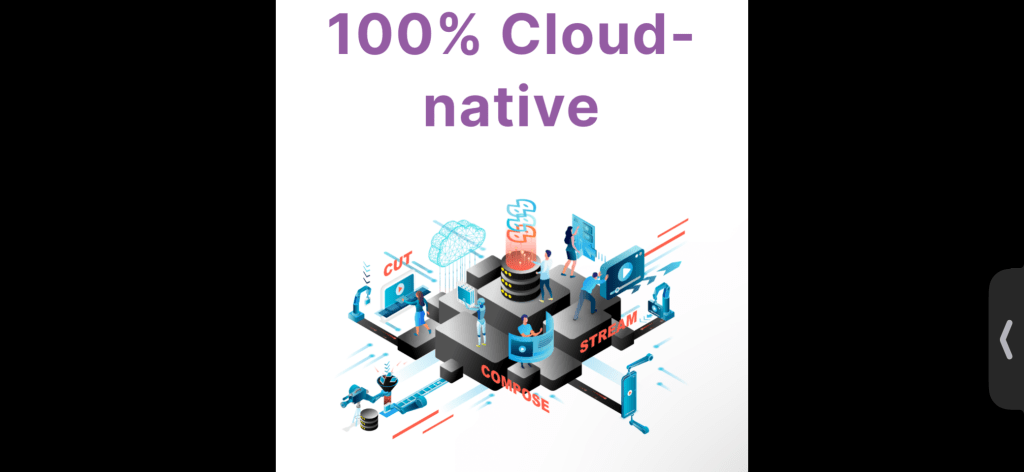
Big Name Broadcasters Are Using Cloud-based Video Editing and Publishing Platforms

Wildmoka is a cloud-based video editing and publishing platform that allows broadcasters to easily produce and publish video content across multiple platforms. (This is NOT an advertisement, other service providers are listed below, read-on).

To note a few broadcasters utilizing Wildmoka: NBC Sports & News (OTT), RMC Sport, Concacaf, Sky, TennisTV, MLS, Big East, QatarTV, Discover+, ABS•CBN, BFM.TV, France.TV, and beinSports.

NBC is using Wildmoka to produce short-form video content for social media platforms like Twitter, Facebook, and YouTube, as well as longer-form content for the NBC website.

RMC Sport uses Wildmoka to quickly create highlights by automating the clipping and publishing process.

Concacaf uses Wildmoka to provide match highlights and create promotional content.

Sky uses Wildmoka’s platform for real-time highlight creation and publishing across all platforms.

Tennis TV uses Wildmoka to provide live streaming, highlights, and archive content of tennis matches.

MLS uses Wildmoka to produce highlights and promotional content for their social media channels.

Qatar TV uses Wildmoka for real-time video editing and highlight creation during live events.

Big East Conference uses Wildmoka’s platform to create highlights and digital content from its live sporting events to engage with fans and grow its audience.

Discover+ is using Wildmoka to automate personalized video content for its users.

ABS-CBN uses Wildmoka’s platform to create highlights and produce digital content faster.

BFM.TV and France.TV use Wildmoka to create engaging video content by quickly curating and publishing user-generated content.

BEIN Sports uses Wildmoka for content production, particularly for their coverage of international sports events.

One of the major benefits of using Wildmoka is the speed and efficiency with which it allows Broadcasters to produce and publish their video content. The platform’s cloud-based architecture enables real-time editing, which means that the production team can quickly create and publish videos without the need for extensive post-production work. This is crucial for because it allows them to be more responsive to breaking news stories and to stay relevant in a fast-paced media environment.

Wildmoka also offers advanced analytics tools that allows Broadcasters to track the performance of their digital video content across different platforms. These tools provide insights into audience engagement, reach, and other key metrics that can help optimize video content and maximize its impact.

Overall, use of Wildmoka has helped streamline the video production process and increase the reach and engagement of their video content.

What is the basic workflow?

  1. Ingestion: The first step involves importing video content into Wildmoka’s cloud-based platform from various sources such as live feeds, archives, or social media.
  2. Curation: The content is then curated, and clips are created by either manually selecting the highlights or by setting up automated clipping rules using AI-based algorithms.
  3. Editing: The edited clips can be enhanced or edited further using Wildmoka’s cloud-based video editing tools to add graphics, text overlays, and effects.
  4. Publishing: The final edited clips are then published to various platforms such as social media, websites, or mobile applications, either manually or using automated publishing workflows.

Wildmoka’s platform streamlines the entire video production workflow, making it faster and more efficient for media companies to create, edit, and publish their content to multiple platforms.

Here are 25 other companies similar to Wildmoka, and how they differentiate themselves:

1. Vidyard – Vidyard is a video marketing platform that specializes in personalized video campaigns and analytics.

2. Brightcove – Brightcove is a leading video hosting and streaming platform for enterprise businesses.

3. Wistia – Wistia is a video hosting and analytics platform that specializes in video marketing for SMBs.

4. Animoto – Animoto is a cloud-based video creation platform that offers templates and customizable features for businesses.

5. Magisto – Magisto is a video creation platform that uses artificial intelligence to automatically create video content from user-submitted media.

6. Viddyoze – Viddyoze offers a user-friendly platform for creating and editing professional-quality video content.

7. Kapwing – Kapwing offers online video editing tools and templates for creating social media-friendly content.

8. OpenReel – OpenReel is a remote video capture platform that allows businesses to record and edit high-quality video content from anywhere in the world.

9. Lumen5 – Lumen5 is a video creation platform that uses artificial intelligence to create professional-quality videos from text-based content.

10. InVideo – InVideo offers an easy-to-use interface for creating video content with customizable templates and advanced editing tools.

11. Renderforest – Renderforest is an online video creation platform that offers a variety of templates for creating video intros, animations, presentations, and more.

12. Zoomforth – Zoomforth offers a video and media management platform for businesses that need to securely store and share video content.

13. Soapbox – Soapbox is a video creation platform designed for businesses that need to create and share video content for internal communication and training.

14. Uscreen – Uscreen offers a subscription video-on-demand platform for businesses looking to monetize their video content.

15. Hippo Video – Hippo Video is a video marketing and sales enablement platform that specializes in personalized video campaigns and lead generation.

16. Biteable – Biteable offers an online video creation platform with customizable templates and drag-and-drop editing functions.

17. Visme – Visme offers an all-in-one platform for creating visual content, including video content and animated graphics.

18. Powtoon – Powtoon is a video creation platform that specializes in animation and whiteboard videos for business and education.

19. CloudApp – CloudApp offers a screen recording and video creation platform for businesses looking to create and share instructional video content.

20. Qumu – Qumu is a video management and delivery platform for businesses that need to securely store and distribute video content.

21. Shakr – Shakr offers a platform for creating professional-quality video ads with customizable templates and easy-to-use editing tools.

22. ScreenFlow – ScreenFlow is a screen recording and video editing platform for MacOS users.

23. Vyond – Vyond offers an animation and video creation platform that specializes in creating explainer videos for business and education.

24. Animaker – Animaker is a cloud-based video creation platform that offers customizable templates and drag-and-drop editing functions for animated video content.

25. Wave.video – Wave.video is an all-in-one video marketing platform that offers customizable templates and easy-to-use editing tools for creating social media-friendly video content.

Please 👍 my content, and subscribe it’s free!

Short XML Overview

XML (Extensible Markup Language) has several benefits, including:

1. Platform and Application Independence: XML can be used across different platforms and applications as it doesn’t rely on any specific software or hardware.

2. Human-Readable: XML documents are easily readable and can be interpreted by users and software applications alike.

3. Easy to Understand: XML has a simple syntax, which makes it easy to understand and work with.

4. Flexibility: XML is flexible and can be customized to fit different use cases making it a suitable choice for various purposes.

5. Data Exchange: XML can be used for data exchange between different systems, such as information transfer between a website and a database.

6. Transformable: XML documents can be easily transformed through the use of XSLT (Extensible Stylesheet Language Transformations), which allows for the creation of a variety of outputs from a single input.

7. Standardization: XML is a standardized format, which means it is widely supported and has a range of tools, libraries, and frameworks available to work with it.

Overall, the benefits of XML make it a popular choice for data representation and exchange in various domains like publishing, e-commerce, healthcare, finance, and government applications.

Lights, Camera, Safety: OSHA and EHS Guidelines in Film and TV Production

OSHA (Occupational Safety and Health Administration) and EHS (Environmental Health and Safety) are regulatory bodies that set workplace safety standards for employees and organizations in the United States. These standards apply to all industries, including the film and television production industry. 

In a broadcast studio and on-location field, there are a variety of hazards and risks that need to be addressed to maintain a safe work environment. Potential hazards in a studio include electrical equipment, trip hazards, and heavy lighting equipment, while dangers on-location could include extreme weather conditions, heavy camera equipment, and dangerous stunts.

Production companies and studios are responsible for implementing safety measures to ensure the health and safety of their employees, cast members, and crew. This includes providing proper training, protective equipment, and ensuring compliance with OSHA and EHS standards.

In addition to safety, the production process requires extensive planning and organization, from casting to filming to editing, in order to create a successful project. The studio or production company typically provides the infrastructure for the entire process, including equipment, crew, and facilities, as well as hiring key personnel such as directors, writers, and producers.

Overall, the success of film and television production depends on strict adherence to OSHA and EHS guidelines, effective planning, and the ability to work efficiently both in the studio and on-location.

To comply with OSHA and EHS guidelines and ensure a safe and healthy work environment for its employees, a film and television production company typically provides the following infrastructure:

1. Protective equipment: This could include hard hats, safety goggles, ear protection, gloves, and other equipment that can provide protection to the crew against potential hazards.

2. Emergency equipment: Fire extinguishers, first-aid kits, automated external defibrillators (AEDs), and other equipment could be provided to handle potential emergencies on the set.

3. Rigging equipment: For lighting, sound, and cinematography, specialized rigging equipment is necessary. The company should ensure these rigging systems are inspected and maintained regularly.

4. Controlled access: Entrance to certain areas on the set, such as building exteriors or areas with hazardous materials, should be restricted in order to ensure the safety of the crew.

5. Safety personnel: The production company should also provide trained safety personnel during all phases of filming to identify hazards, address possible risks, and ensure that OSHA and EHS guidelines are being followed.

6. Training programs: The production company should provide training to all crew members on emergency procedures, safe work practices, and the proper use of protective equipment and rigging systems.

These are just a few examples of the infrastructure that a film and television production company may provide to comply with OSHA and EHS guidelines. The specific measures taken would depend on the location, scope, and nature of the production.

The specific training programs that a film and television production company should provide to its crew members in order to ensure compliance with OSHA and EHS guidelines include:

1. Hazard Communication training: This program covers the methods used to inform employees of the presence, hazards, and location of dangerous chemicals on the set.

2. Personal Protective Equipment (PPE) training: This program covers the proper use of PPE and how to select, fit, maintain, and wear the equipment.

3. Rigging and Lifting training: This program covers rigging techniques, how to lift and move equipment safely, and proper use of fall protection systems.

4. Emergency Action Plan (EAP) training: This program covers the response procedures for emergencies or accidents on the set, including medical emergencies, fires, and natural disasters.

5. Electrical Safety training: This program covers electrical safety protocols, how to identify electrical hazards on the set, and safe work practices when using electrical equipment.

6. Environmental Health and Safety (EHS) training: This program covers general EHS principles and practices, including hazard recognition, accident prevention, and the safe use and handling of hazardous materials.

7. Site-Specific Safety training: This program covers safety protocols that are specific to the filming location, including location-specific hazards, safety procedures, and emergency protocols.

Overall, the specific training programs required by a film and television production company depend on the nature of the production, the equipment used, and the filming location, and should be designed to address the unique hazards and risks associated with the production.